Celebrating Sea Otter Wins
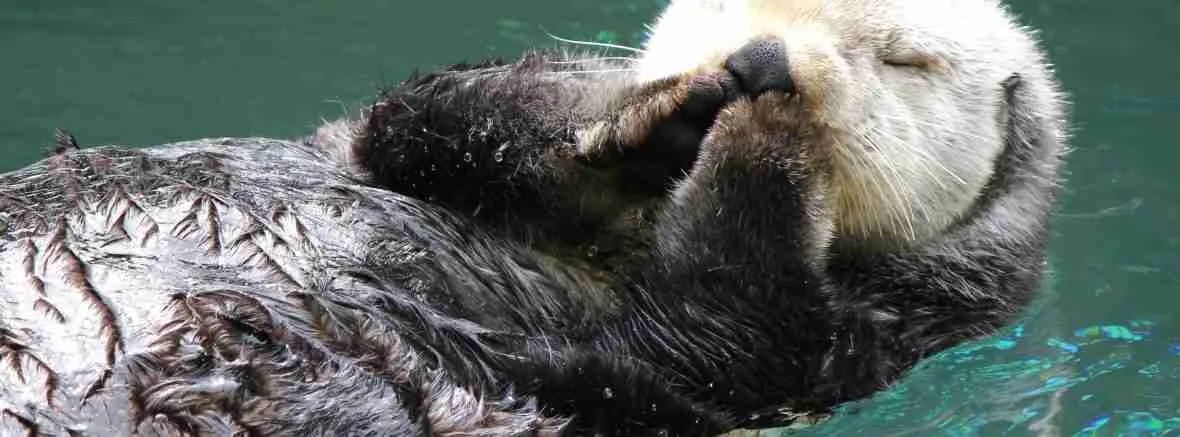
Once nearly wiped out by the fur trade, sea otters have made one of the most remarkable comebacks in wildlife conservation history. These resilient creatures have come back from the brink of extinction, but their recovery didn’t happen by accident. It happened because people like you cared enough to speak up, show up, and support the work of conservationists.
Although there are still threats and challenges to overcome, this is a moment to celebrate the big wins for marine conservation, reflect on what it took to get here, and remind ourselves that the story of sea otter recovery is still being written.
The Big Wins: Sea Otter Successes

Sea otters have become a powerful symbol of marine conservation success, with meaningful progress seen across their population growth, legal protection, and hands-on care. Their recovery is a testament to what’s possible when science, policy, and public support align.
Policy Wins and Legal Protection
Through the Endangered Species Act, marine protected areas, and other policy tools, legal victories have played a key role in the sea otter’s recovery.
- Termination of the “No Otter Zone”: In 2012, the US Fish and Wildlife Service officially ended the exclusion zone blocking sea otters from Southern California habitats, allowing otters to reoccupy their historic range.
- Marine Life Protection Act (MLPA) Network: Established in 1999, this law created a robust statewide network of marine protected areas, including reserves across the central coast that protect vital kelp forest habitat for California sea otters.
- Designation of Monterey Bay National Marine Sanctuary: Federal protection spanning nearly 276 miles of coastline has helped preserve critical sea otter feeding and breeding zones from pollution and development.
These wins demonstrate how legal protections and science-based policy can secure safe spaces for sea otters and other marine life.
Population Recovery and Range Expansion
Thanks to decades of dedicated conservation work, sea otters are not only rebounding in number but also reclaiming stretches of coastline they haven’t inhabited in over a century.
- California sea otters have made a dramatic recovery along the central coast after being nearly hunted to extinction. Once reduced to fewer than 50 individuals, today their numbers have grown to over 3,000 along the central coast.
- In southeast Alaska, reintroduction efforts starting in the late 1960s transformed a population of just over 400 translocated otters into more than 25,000 individuals by the early 2000s, with ongoing growth and stabilization across multiple populations.
- In British Columbia, 89 otters were first reintroduced between 1969 and 1971. By 2017, the BC population had climbed to over 8,000 individuals!
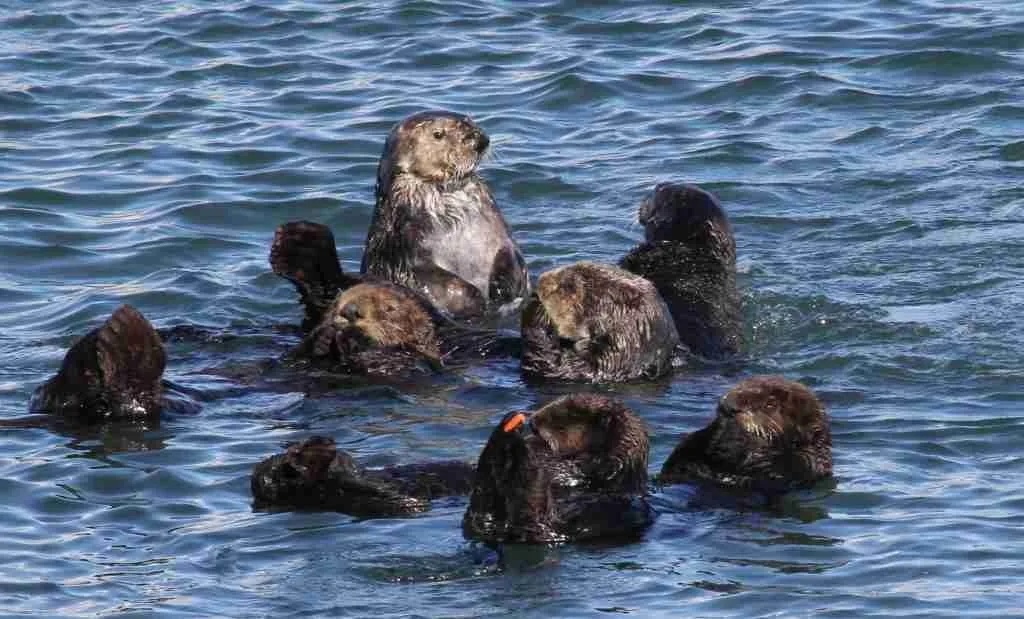
In each of these areas, sea otters are reclaiming their role as a keystone species, helping restore balance in nearshore ecosystems such as kelp forests and eelgrass beds. Their presence controls sea urchin populations, which in turn allows kelp (an important carbon sink and nursery habitat) to thrive.
This kind of marine conservation supports biodiversity, stabilizes shorelines, and promotes overall ocean health.
Rescue, Rehab, and Public Awareness
Hands-on care and growing public support have been crucial to the survival of individual otters and the health of the whole population.
Each year, dozens of injured or orphaned sea otters are saved through marine animal rescue efforts. These programs provide critical care, from rehydration and wound treatment to pairing orphaned pups with surrogate mothers. Rehabilitated otters are often re-released into the wild, where many go on to reproduce and contribute to population growth.
Public education has also played a major role. Outreach efforts have helped reduce human disturbance, improve reporting of stranded animals, and encourage ocean-friendly behavior. As more people learn how to coexist with sea otters (by keeping a respectful distance, securing boats and traps, and supporting clean water initiatives), the odds of long-term recovery improve.
These combined efforts are helping to ensure that rescued otters not only survive, but thrive back in the wild.
What It Took to Get Here: How Everyday People Made a Difference

You might be surprised by how much power individuals have had in shaping the sea otter’s comeback story. Whether it was by donating to a rescue fund, sharing a petition, attending a coastal cleanup, or simply spreading the word about endangered sea otters, people like you created the momentum that made these wins possible.
It’s not just scientists or policymakers who make change happen. It’s teachers who include otters in their lesson plans. It’s students who organize fundraising drives. It’s divers who document underwater habitats and surfers who report entangled animals. When everyday people decide that the ocean matters, real progress follows.
What’s Next: Stay Involved in the Momentum
The future is still unfolding for sea otters. While their numbers are improving in many regions, threats remain. Oil spills, plastic pollution, habitat degradation, and climate change all pose continued risks. In some areas, sea otters have yet to return due to fragmented habitats or political pushback.
That’s why your continued support is so vital. Here are a few simple ways to stay involved:
- Support organizations working on marine animal rescue and research.
- Visit responsibly when exploring otter habitats. Keep your distance and respect wildlife viewing guidelines.
- Advocate for policy that expands marine protected areas and supports healthy oceans.
- Educate others by sharing success stories and accurate information about the importance of sea otters.
- Make mindful choices to reduce your plastic use, eat sustainable seafood, and support local conservation initiatives.
Each small action contributes to the larger story. Sea otters remind us that even the most vulnerable species can recover when we come together with purpose and passion. Let’s celebrate what we’ve achieved and commit to going even further. When we protect sea otters, we’re also protecting the oceans they call home and the future we all share.
At the Sea Otter Foundation & Trust, we work to ensure the survival and recovery of sea otters in their habitats by building funds to support research, conservation, and education. You can learn more about the all-important efforts of our grant recipients by watching our interviews with them. These efforts are funded directly by our supporters, so consider advancing our crucial work by adopting an otter or making a donation today!