Sea Otters

Globally, yes. The sea otter (Enhydra lutris) is classified as Endangered on the International Union for Conservation of Nature (IUCN) Red List. But that status doesn’t tell the whole story. Sea otter populations can look very different from one area to another. Some populations have declined significantly, while others are stable or even recovering. Local conditions, threats, and conservation efforts can all shape how a population is doing.
Read More
World Animal Day is observed every year on Oct. 4 to celebrate animals and encourage people to protect the natural world. The day brings attention to the importance of treating animals with care, supporting conservation efforts, and promoting wildlife preservation across the globe. Sea otters are one of the best examples of what dedicated conservation efforts can achieve.
Read More
Coastal Cleanup Day began back in 1986, when two Ocean Conservancy staffers rallied volunteers to collect trash along the Texas coastline. It's grown a lot since then. The International Coastal Cleanup now takes place in almost every state and over 100 countries.
Read More
Sea otters might look like they spend their days floating around and being adorable, but there’s serious work happening beneath the surface. These marine mammals are dedicated, high-energy hunters whose feeding habits shape entire underwater ecosystems.
Read More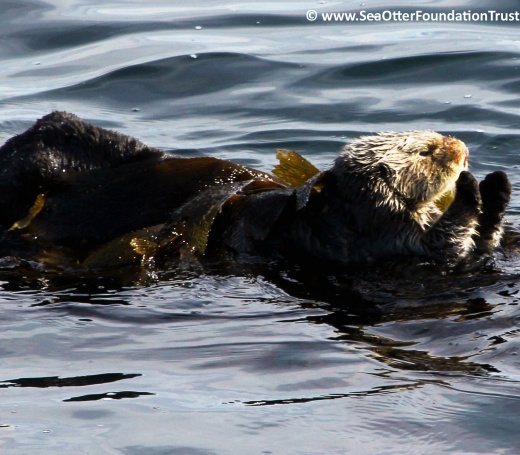
Every year, millions of marine animals get accidentally caught in fishing gear. From dolphins and sea otters to whales and seals, the unintended victims of commercial fishing operations face serious threats simply because they share the ocean with us. Understanding how fishing practices affect these animals is the first step toward taking action.
Read More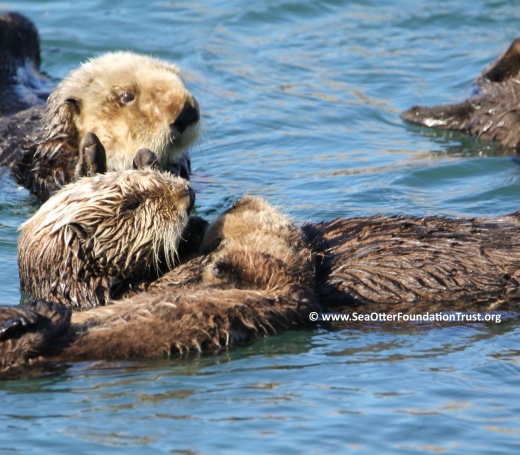
If you’re lucky, you might spot a tiny sea otter pup curled on its mother’s chest as she floats on her back, drifting in a quiet kelp forest. It looks peaceful, almost effortless, as if the ocean itself is rocking them to sleep. Moments like this are among the most tender sights in the natural world.
Read More
Many of us grew up watching documentaries about dolphins and whales, dreaming of swimming alongside these magnificent creatures as marine biologists. While marine biology careers are wonderful, they're just one piece of a much larger puzzle. Protecting our oceans involves dozens of specialized roles that most people never hear about. The world of marine wildlife careers includes everything from engineering to detective work and these lesser-known positions are absolutely essential to ocean health.
Read More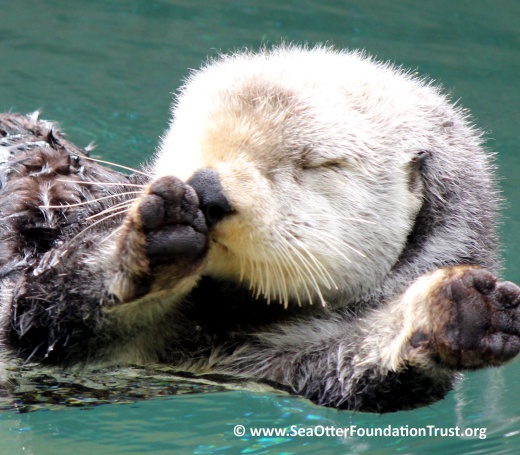
Sea otters and giant otters (also known as giant river otters) may share a name, but they inhabit entirely different worlds. From size and diet to social behavior and habitat, their differences reveal how evolution has perfectly tailored each to its environment.
Read More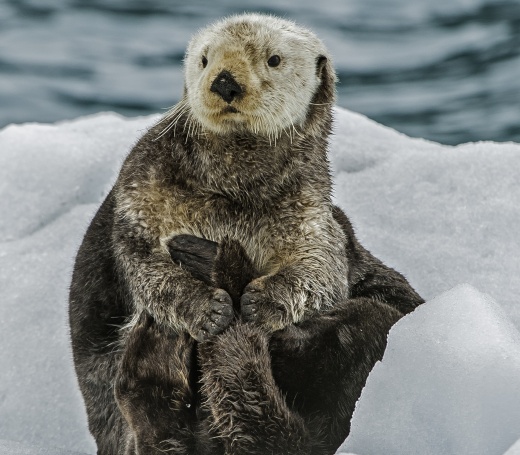
Picture a sea otter floating peacefully on its back, whiskers frosted with ice crystals, as waves lap against a shoreline dusted with fresh powder snow. It's remarkable how utterly at ease they appear in waters that would be lethal to most mammals within minutes. What makes sea otters so remarkably suited to life in frigid seas? The answer lies in an amazing collection of adaptations that turn potential obstacles into everyday advantages.
Read More
Why is biodiversity important to ecosystems? It’s the backbone of resilience. Biodiversity supports food webs, nutrient cycling, water purification, and carbon sequestration. In simple terms, ecosystems with a wide variety of life are more stable, productive, and capable of recovering from disruption. When it comes to the oceans, the stakes are especially high.
Read More