Sea Otter Communication: Exploring Sea Otter Social Behavior
Sea otters (Enhydra lutris), known for their playful demeanor and endearing appearance, are crucial members of marine ecosystems from the northern Pacific Ocean to the coast of California. These marine mammals were once hunted nearly to extinction for their dense fur. Today, researchers and conservation groups — such as the Sea Otter Foundation & Trust (SOFT) — actively work to protect them and to educate the public about the unique traits that make sea otters such an integral part of coastal environments. A key aspect of their survival is sea otter communication, which plays a vital role in their social networks and daily routines, and in this piece, we will be exploring sea otter social behavior.
Why Sea Otter Communication Matters
Communication is essential for many wildlife species, and sea otters are no exception. Sea otters’ social behavior is key to their survival and well-being — whether they are coordinating group foraging efforts, warning one another of threats, or teaching pups how to navigate their watery world. Researchers have long studied how sea otters communicate with each other to understand the evolution of their complex behaviors. According to data from the International Union for Conservation of Nature, sea otters remain a vulnerable species with populations that continue to face threats such as oil spills, habitat loss, and climate change.
In addition to these challenges, sea otters rely on cohesive groups to protect themselves and regulate resources. This collaborative nature supports healthy kelp forests, as sea otters feed on sea urchins that would otherwise devastate kelp beds and cause urchin barrens. To learn more about why sea otters are so important to their ocean habitat, explore SOFT’s resource detailing their role as a keystone species. Effective communication ensures that each otter can contribute to the group and helps maintain ecological balance.
Methods of Sea Otter Communication
Vocalizations
If you have ever wondered how sea otters communicate, the most noticeable way is through a variety of sounds. Researchers have documented squeaks, whistles, and even low growls. Pups, in particular, use high-pitched whistles to call for their mothers. When faced with potential threats, adults often emit sharp, staccato vocalizations to alert others.
Body Language
Observing the behavior of a sea otter reveals that body language is equally important. Sea otters use postures, such as periscoping or displaying their paws, to signal excitement or distress. This nonverbal form of sea otter behavior plays a major role in mating rituals, territorial displays, and social bonding.
Tactile Communication
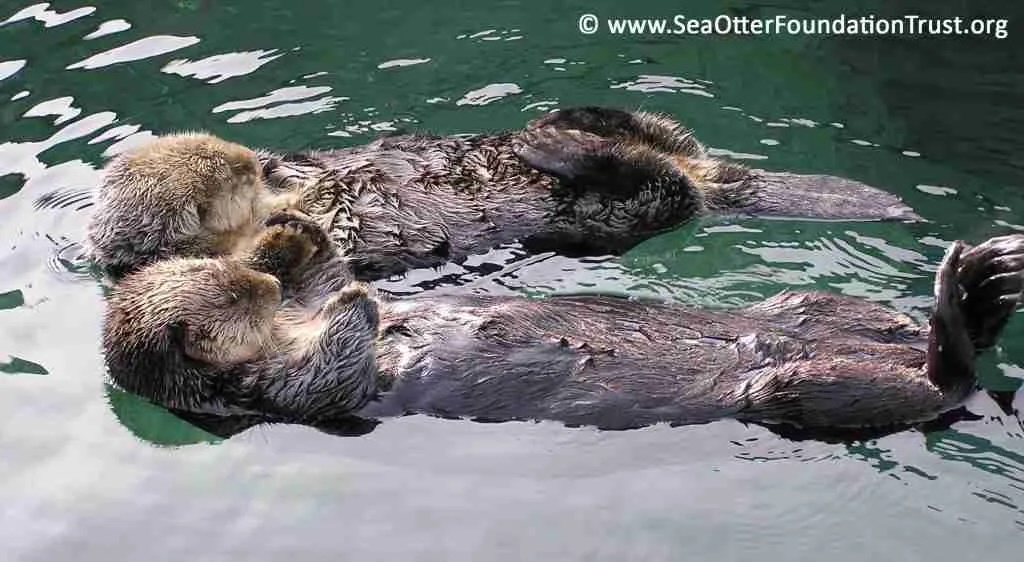
Physical touch holds special meaning in the behavior of sea otters. Mothers, for instance, groom their pups not only to keep their fur clean but also to strengthen their bond. Grooming other group members fosters social cohesion and helps maintain the insulating properties of their fur, which is among the densest in the animal kingdom.
Social Hierarchy and Group Dynamics
Many people ask, do sea otters have a social hierarchy? While not as rigid as the hierarchies observed in wolf packs or primate troops, sea otters do exhibit dominance structures based on factors such as age, sex, and reproductive status. Males often patrol territories where females and pups reside, competing for access to resources. Females frequently group together for added protection against predators and to share knowledge related to foraging techniques.
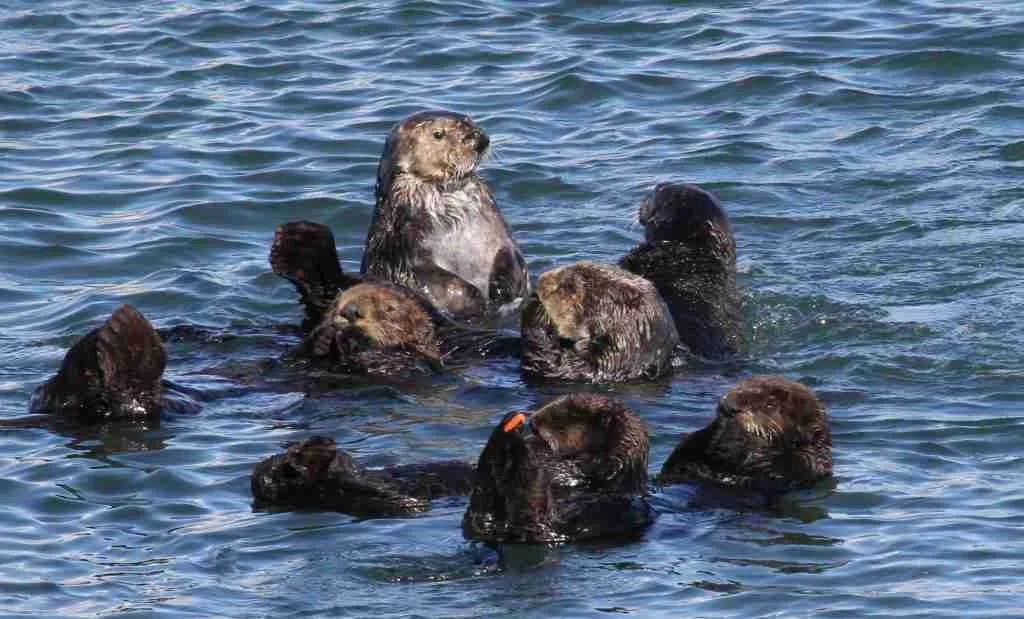
Because sea otters forage on shellfish and other marine life found in kelp forests, they often remain in close proximity to one another. This social grouping, known as a “raft,” can include anywhere from a few sea otters to several dozen. To learn about innovative technologies in sea otter research, visit this SOFT resource, which highlights modern methods scientists use to track group interactions.
The Purpose of Sea Otters’ Social Behavior
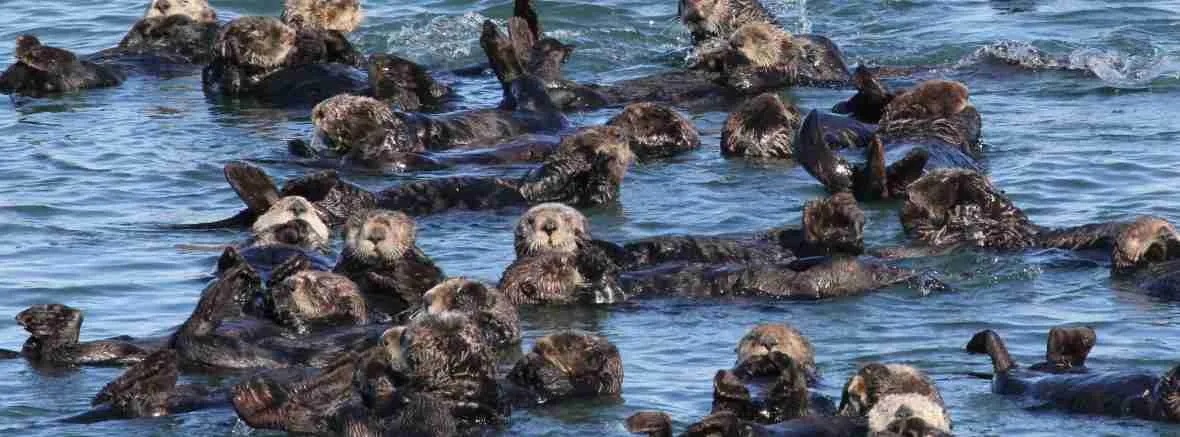
Sea otters’ social behavior serves multiple purposes, from reproduction to protection. Females with pups stay together for added security, and adult males often team up to patrol territories. This grouping optimizes foraging because multiple individuals can scout for food sources, locate abundant shellfish beds, and share information about potential dangers. By working collectively, sea otters enhance their chances of survival, demonstrating that how sea otters communicate is intrinsically linked to their group’s success.
Key Functions of Sea Otters’ Social Behavior
Protection and Warning: Vocalizations and body language help alert group members to predators such as sharks and killer whales.
- Efficient Foraging: Coordinated diving and sharing of prime feeding spots reduce energy expenditure for individuals.
- Pup Rearing: Mothers use tactile communication and teach pups essential skills. Delve deeper into the sea otter life cycle to see how parental care influences survival rates.
- Thermoregulation: Sea otters often huddle together to stay warm, especially in colder regions. Read more on sea otter adaptations that help them thrive in chilly marine habitats.
Additionally, scientists have found that sea otter populations can influence carbon sequestration in coastal environments, underscoring their role in mitigating climate change. The presence of sea otters in kelp forests allows the kelp forest to flourish and thereby positively impact carbon dioxide absorption.
Conservation Efforts and Ongoing Research
With populations still recovering from historic lows — some estimates put current numbers at only a fraction of their former range — continued research and conservation measures are critical. You can read about understanding sea otter population decline causes and solutions to learn more about the challenges these animals face, including pollution, disease, and human interference.
Supporting organizations that focus on sea otter research and habitat protection is one way to make a direct impact. Discover why donating to sea otter conservation matters if you wish to contribute to ongoing programs dedicated to protecting these marine mammals.
Sea otter communication is more than a series of adorable squeaks or playful splashes — it is an essential framework that supports their social behavior and helps these animals flourish in their coastal environments. Understanding sea otter communication offers valuable insights into their survival strategies, group dynamics, and overall impact on marine ecosystems. Each vocalization, grooming session, or raft formation highlights the intricate ways sea otters support one another and maintain thriving kelp forests. By staying informed and supporting research initiatives, we can ensure that sea otter behavior remains a vital part of our oceans for generations to come.
At SOFT, we work to ensure the survival and recovery of sea otters in their habitats by building funds to support research, conservation, and education. You can learn more about the all-important efforts of our grant recipients by watching our interviews with them. These efforts are funded directly by our supporters, so consider advancing our crucial work by adopting an otter or making a donation today!