Winter Wonders: How Sea Otters Thrive in Cold Waters
Introduction
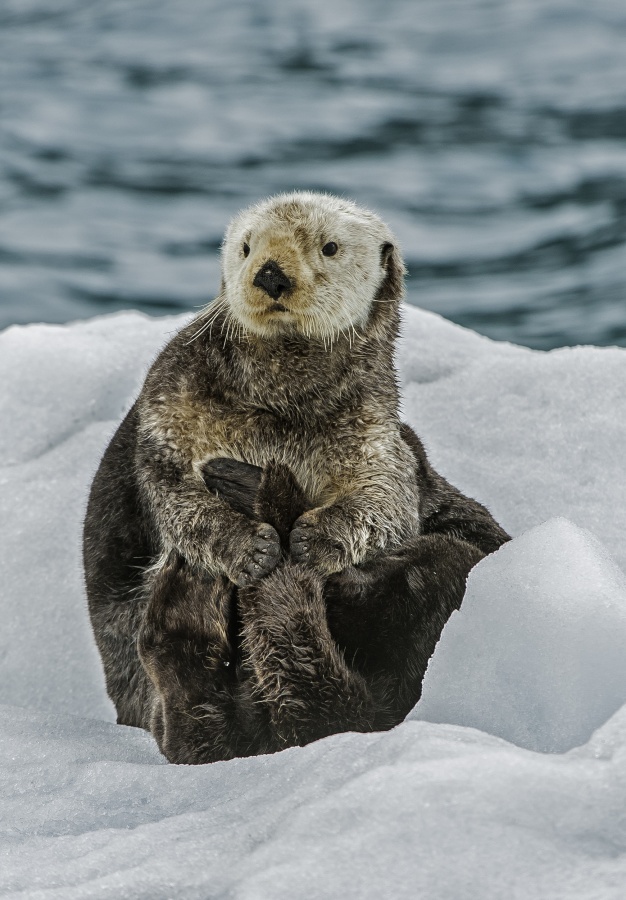
Picture a sea otter floating peacefully on its back, whiskers frosted with ice crystals, as waves lap against a shoreline dusted with fresh powder. It's remarkable how utterly at ease they appear in waters that would be lethal to most mammals within minutes.
While most of us bundle up in layers at the first hint of winter, sea otters spend their entire lives in cold waters that would send humans into hypothermic shock within minutes. What makes these creatures so remarkably suited to life in frigid seas? The answer lies in an amazing collection of adaptations that turn potential obstacles into everyday advantages.
Fur Like No Other: Nature’s Densest Coat

The secret to sea otter cold water survival starts with their extraordinarily dense fur. Sea otters possess the thickest fur of any mammal on the planet, with up to 1 million hair follicles per square inch. To put that in perspective, humans have about 100,000 hairs on their entire head.
Key features of their remarkable fur include:
Two-Layer System: A dense underfur traps air close to the skin, while longer guard hairs on the surface repel water.
Air Layer Insulation: The trapped air provides about 70% of the otter’s insulation, preventing heat loss in icy waters.
Microstructure of Hairs: Individual hairs interlock and have microscopic scales that improve air retention and water resistance.
Buoyancy Support: Well-maintained fur aids in buoyancy and helps keep the otter afloat, which is essential for resting and feeding at the surface.
Together, these features make sea otter fur a marvel of natural engineering, allowing them to thrive in conditions that would chill most other mammals.
The Art of Staying Dry: Grooming as a Survival Strategy
Sea otter body temperature remains at about 100 degrees Fahrenheit year-round. Unlike seals and whales that rely on blubber for insulation, sea otters maintain their body temperature purely through their fur and metabolism. This unique characteristic explains why keeping their coat in perfect condition becomes a matter of life and death.
Sea otters devote about 15% of each day to grooming. Every grooming movement helps restore the coat’s insulating structure and keep cold water from reaching their skin.
Their grooming routine includes:
- Air Injection: Blowing air into the fur while rubbing it so each hair stands upright and traps maximum warmth.
- Oil Distribution: Spreading naturally produced oils that enhance water repellency.
- Mat Prevention: Working through knots and debris, since a single matted spot can collapse the air layer.
- Skin Checks: Detecting injuries or parasites that could interfere with insulation.
For sea otters, grooming is essential life support. Any disruption to their coat’s structure, especially from contaminants such as oil, allows icy water to penetrate and can quickly lead to hypothermia.
Metabolism: The Hidden Furnace
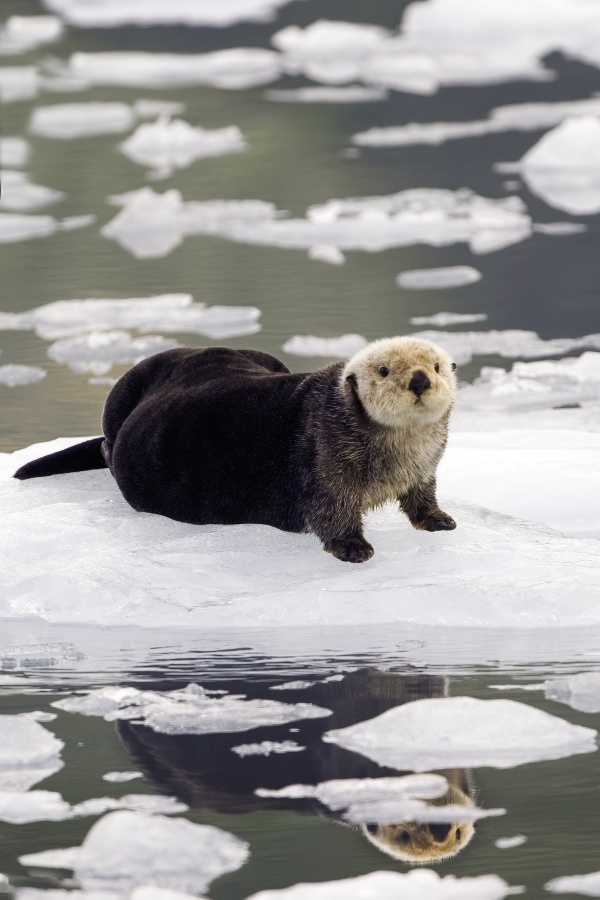
Their fur isn’t the only thing keeping sea otters warm. Their metabolic rate runs about three times higher than land mammals of similar size, and their muscles are basically built-in space heaters. Water steals heat much faster than air, so fur alone won't suffice. Sea otters evolved a brilliant solution.
Their remarkable metabolism works through specialized adaptations that transform them into heat-generating machines:
- Leaky Mitochondria: Their muscle cells contain special mitochondria that deliberately waste energy as heat rather than storing it efficiently.
- Muscle Mass Advantage: Because muscle constitutes a large portion of their body mass, the extra metabolic activity in those muscles produces substantial warmth.
- No Off Switch: Unlike hibernating animals, sea otters maintain this high metabolic rate year-round to survive in frigid waters.
This metabolic marvel explains why sea otters exhibit such energetic behaviors throughout the day. Every calorie burned becomes precious heat that keeps hypothermia at bay.
Winter Diet: Fueling the Furnace

Winter foraging becomes a relentless daily priority for sea otters living in frigid waters. Cold-water metabolism demands constant refueling, and sea otters must eat a substantial amount each day just to stay warm.
Here’s what makes winter foraging so demanding:
- High Daily Intake: This internal furnace requires them to eat roughly 25% of their body weight daily, spending up to half their day foraging.
- Energy-Dense Prey: Shellfish and other hard-to-catch invertebrates provide concentrated calories but require significant effort to locate and crack open.
- Time Investment: Otters may spend 23%-50% of their day foraging to keep up with constant heat loss in cold water.
Reproductive Needs: Pregnant females and nursing mothers must eat even more to support both their own metabolism and the intense caloric demands of growing pups.
All of this makes the sea otter’s diet absolutely critical to its survival. Every dive, every cracked clam shell, and every urchin hauled to the surface fuels the internal engine that keeps these animals warm in icy water.
Thriving, Not Just Surviving
Sea otters don’t merely endure winter; they thrive in conditions that would challenge most mammals. Their dense fur and high metabolism are essential for winter survival, but staying fed and groomed requires constant effort. Every dive, every clam cracked, and every grooming session is part of the delicate balance that keeps them comfortable in freezing temperatures.
Watching otters in snow is pure joy, as these adorable bundles of energy tumble, slide, and play along icy shorelines with infectious enthusiasm. With recent sea otter wins in population recovery, the holidays are a perfect time to celebrate these resilient creatures. Your holiday donations can help protect sea otters and ensure these winter wonders continue to thrive for generations to come.
At the Sea Otter Foundation & Trust, we work to ensure the survival and recovery of sea otters in their habitats by building funds to support research, conservation, and education. You can learn more about the all-important efforts of our grant recipients by watching our interviews with them. These efforts are funded directly by our supporters, so consider advancing our crucial work by adopting an otter or making a donation today!