Marine Wildlife Careers You've Never Heard Of But Should!
Introduction
Many of us grew up watching documentaries about dolphins and whales, dreaming of swimming alongside these magnificent creatures as marine biologists. While marine biology careers are wonderful, they're just one piece of a much larger puzzle. Protecting our oceans involves dozens of specialized roles that most people never hear about.
If you're passionate about protecting marine life but aren't sure traditional marine biology is your path, you're in luck. The world of marine wildlife careers includes everything from engineering to detective work, and these lesser-known positions are absolutely essential to ocean health.
Marine Wildlife Stranding Coordinator: The Ocean's First Responders
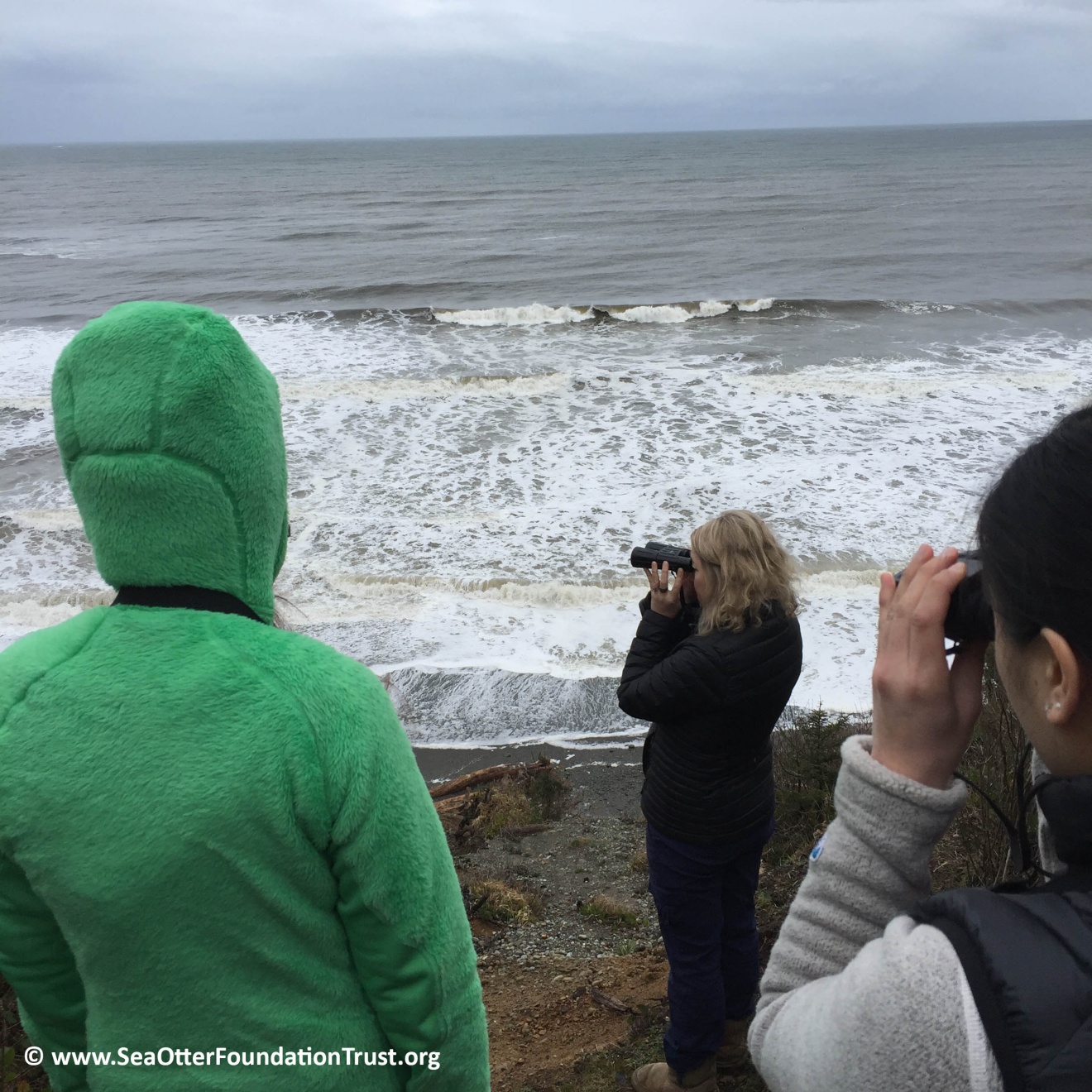
When a whale washes up on a beach, someone has to figure out why. That's where stranding coordinators come in. These professionals oversee entire networks of responders, mobilizing teams to investigate and rescue beached marine mammals when possible.
When beached animals don’t survive, the work involves performing necropsies (animal autopsies) to understand the causes of death and collect tissue samples. These samples get sent to laboratories, helping scientists track disease outbreaks, pollution impacts, and population health trends.
Here’s what the job typically entails:
- Coordinating response networks across regions
- Authorizing and participating in rescue operations
- Training stranding network personnel
- Collecting data on strandings to track ocean health trends
Though it's physically demanding and emotionally challenging work, it provides valuable data. It’s one of many conservation jobs that work behind the scenes to protect ocean wildlife.
Marine Bioacoustician: Listening to the Ocean's Secrets
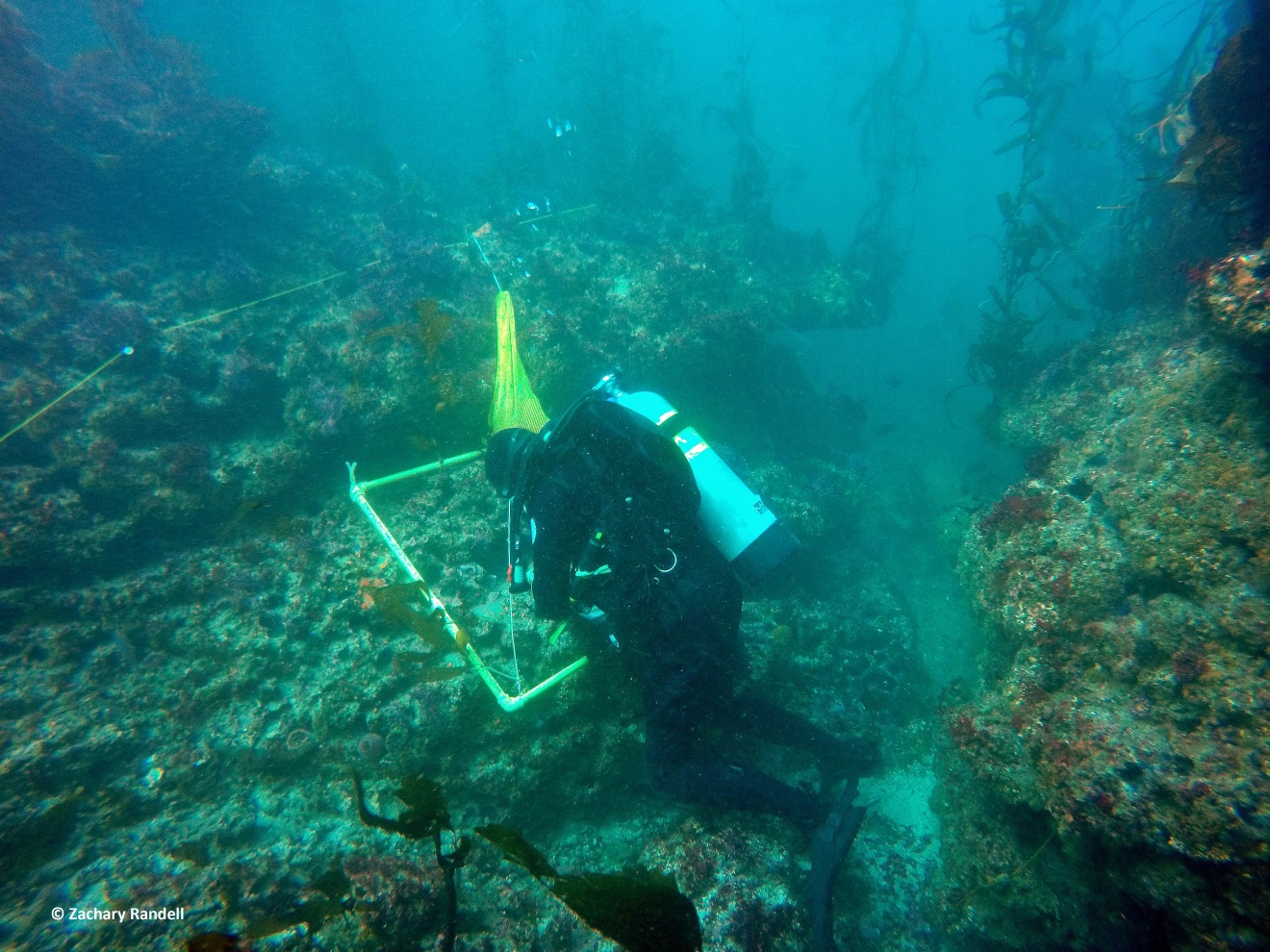
What do marine biologists do when they can't see the animals they're studying? Some of them listen. Marine bioacousticians study the sounds marine mammals make using underwater microphones called hydrophones to track and understand ocean life.
These specialists develop acoustic monitoring systems that detect whale and dolphin vocalizations, helping ships avoid collisions and researchers learn more about whale behavior and migration.
Key responsibilities include:
- Deploying hydrophones to record underwater soundscapes
- Analyzing whale and dolphin vocalizations
- Creating acoustic detection systems for real-time monitoring
- Helping implement mitigation measures to protect marine mammals
This career combines marine science with acoustics and engineering. You're essentially decoding the ocean's soundtrack and using innovative technologies to protect marine life from human activities.
Bycatch Reduction Gear Specialist: Engineering Conservation Solutions
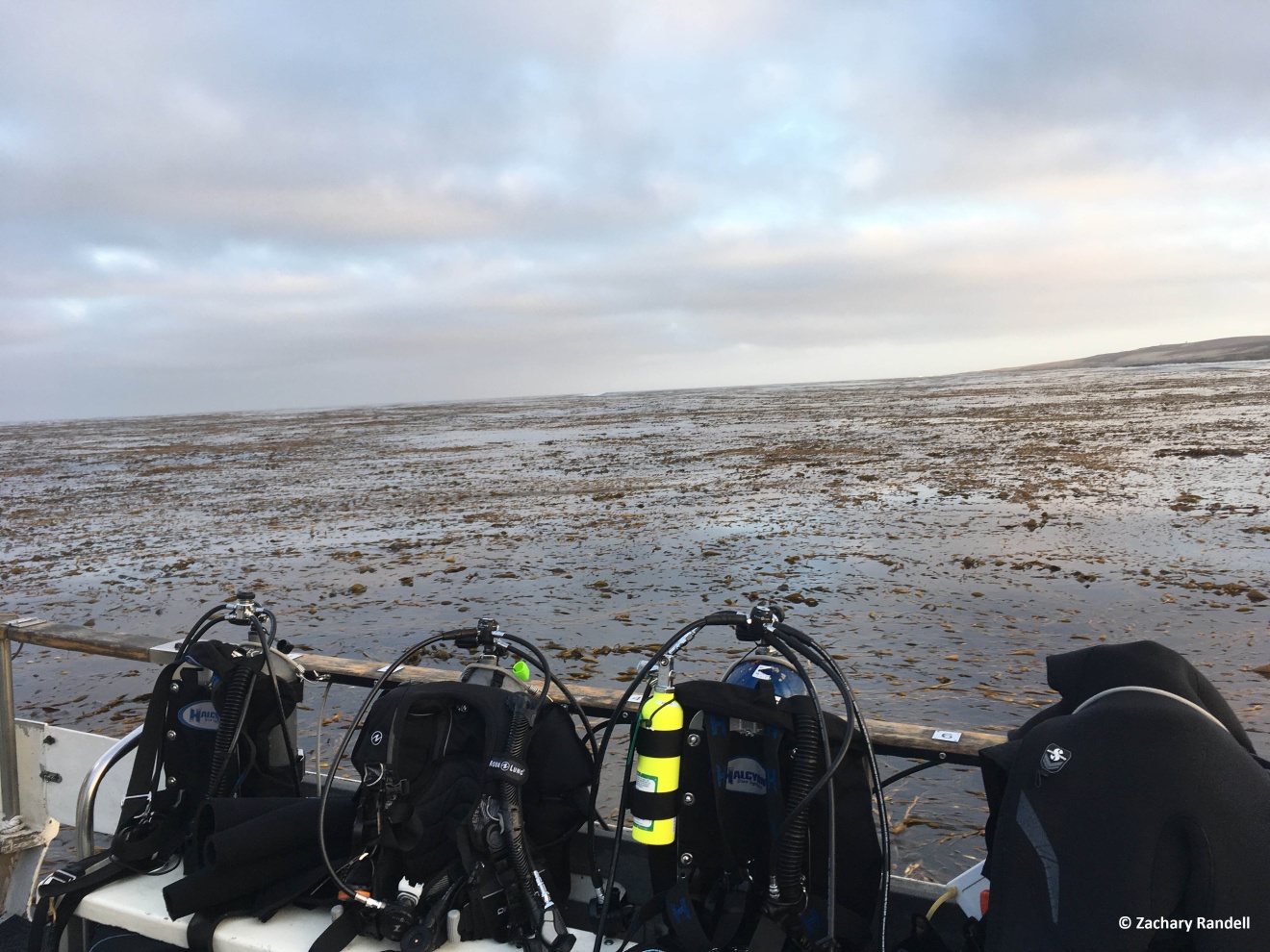
Not all ocean heroes work with animals directly. Bycatch reduction specialists are engineers who design modifications to commercial fishing gear that prevent marine wildlife from getting accidentally caught. For example, turtle excluder devices allow sea turtles to escape shrimp nets while keeping the catch intact.
Here’s what the role typically involves:
- Designing and testing modified fishing gear
- Providing training to fishing professionals on proper installation
- Conducting compliance inspections with fishing operations
- Collaborating with fishing communities to develop practical solutions
The goal is to protect endangered species while maintaining viable fisheries. This balance is crucial for marine biodiversity and the communities that depend on fishing for their livelihoods.
Aquatic Toxicologist: The Pollution Detectives
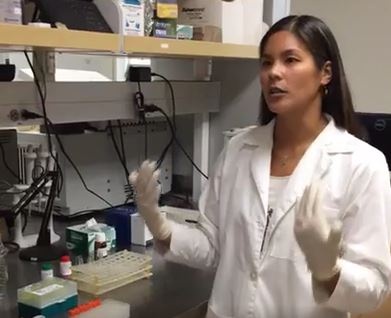
While ocean conservation jobs often conjure images of fieldwork on boats, aquatic toxicologists spend most of their time in laboratories. They're the pollution detectives, testing water and tissue samples to identify contaminants that threaten marine organisms, vegetation, wildlife, and humans.
Their work has become increasingly critical as ocean pollution escalates.
Daily tasks involve:
- Testing water and tissue samples for contaminants
- Analyzing data on pollutants in aquatic environments
- Creating reports that inform cleanup efforts and policy
- Identifying hazards to marine life and human health
Every restriction on toxic dumping and successful pollution lawsuit likely started with data collected by an aquatic toxicologist. If you love lab work and want to make a tangible impact on ocean health, this is one of the most important environmental jobs you could pursue.
Fisheries Observer: Eyes on the Boats
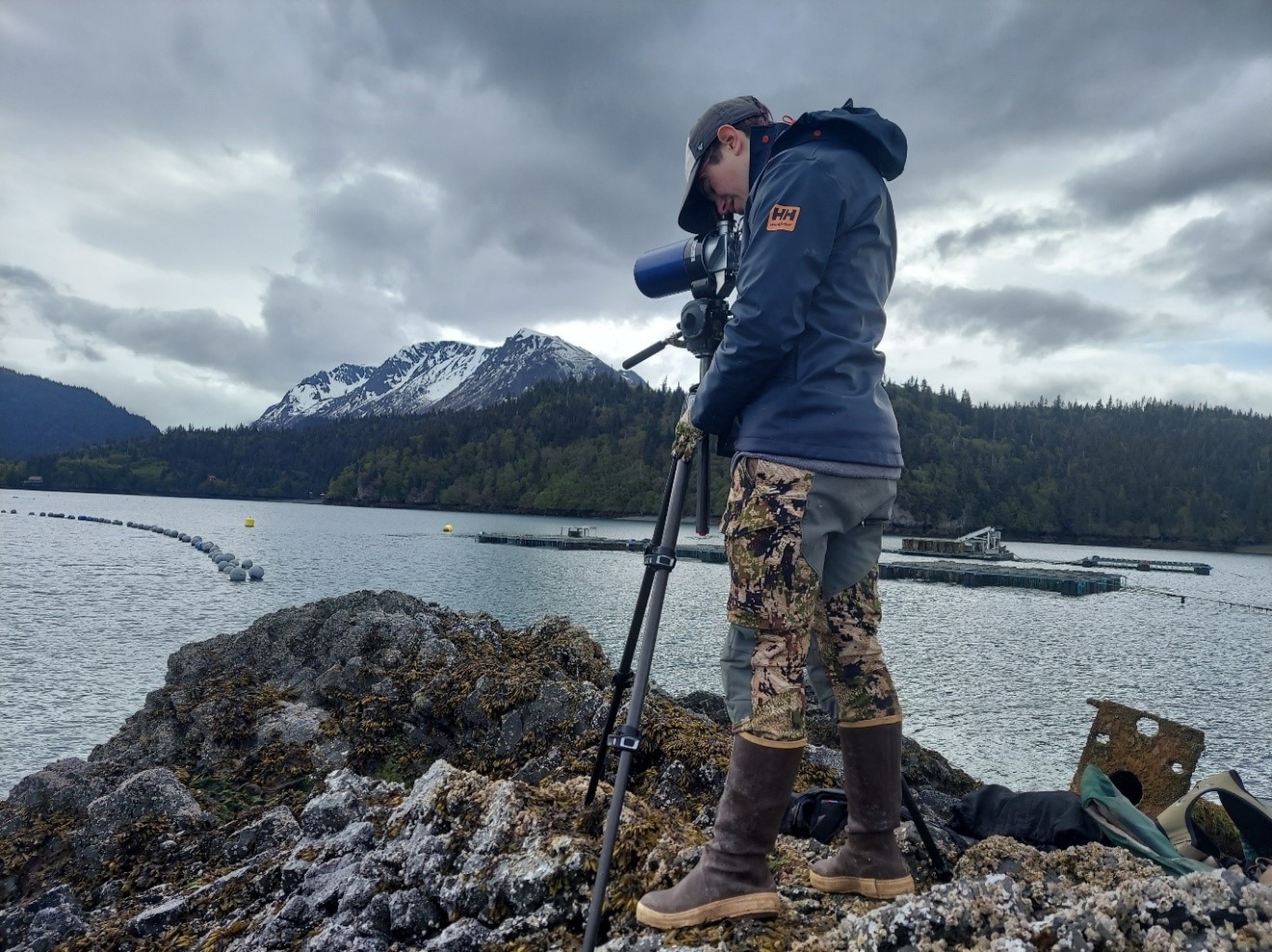
Imagine living on a commercial fishing vessel for weeks or months, documenting every catch and ensuring sustainable fishing practices. That's the life of a fishery observer. These professionals monitor fishing operations, collect data on catch composition, and ensure compliance with regulations.
Here’s what observers experience:
- Living aboard commercial vessels for extended periods
- Documenting catch data and species composition
- Ensuring compliance with fishing regulations
The work supports both rehabilitation efforts and sustainable fisheries management. The job requires comfort with isolation, sea legs that can handle rough weather, and a biology degree. If you crave hands-on experience and don't mind unconventional working conditions, this could be your calling.
Finding Your Place in Ocean Conservation
The ocean's future depends on more than traditional science careers. It needs engineers designing better fishing gear, toxicologists tracking pollution, acoustic specialists decoding whale songs, observers ensuring sustainable practices at sea, and many other professionals working in lesser-known careers. Wildlife careers in marine conservation offer tangible ways to make a difference, whether you're drawn to fieldwork, laboratory science, engineering, or policy.
Aquariums, zoos, and research institutions are always looking for passionate people to fill these specialized positions. The ocean needs dedicated specialists working behind the scenes. Maybe one of them could be you.
At the Sea Otter Foundation & Trust, we work to ensure the survival and recovery of sea otters in their habitats by building funds to support research, conservation, and education. You can learn more about the all-important efforts of our grant recipients by watching our interviews with them. These efforts are funded directly by our supporters, so consider advancing our crucial work by adopting an otter or making a donation today!