Fisheries and Bycatch: How Human Practices Affect Marine Mammals
Introduction
Every year, millions of marine animals get accidentally caught in fishing gear. From dolphins and sea otters to whales and seals, the unintended victims of commercial fishing operations face serious threats simply because they share the ocean with us. Understanding how fishing practices affect these animals is the first step toward taking action.
The Bycatch Problem
Fisheries bycatch refers to the unintended capture of non-target species during commercial fishing. It’s one of the leading causes of marine mammal injury and death worldwide and occurs in many types of fisheries around the globe.
Some of the most common bycatch culprits include:
- Gillnets: These nearly invisible walls of netting trap anything that swims into them, including dolphins, porpoises, and sea otters.
- Longlines: Thousands of baited hooks strung across miles of ocean attract seabirds and marine mammals alongside fish.
- Trawl nets: Dragged horizontally along the seafloor or vertically through the water column, these wide nets scoop up enormous amounts of untargeted sea life.
- Ghost nets: Lost or abandoned fishing gear continues to trap and kill marine animals for years, sometimes decades, after being discarded.
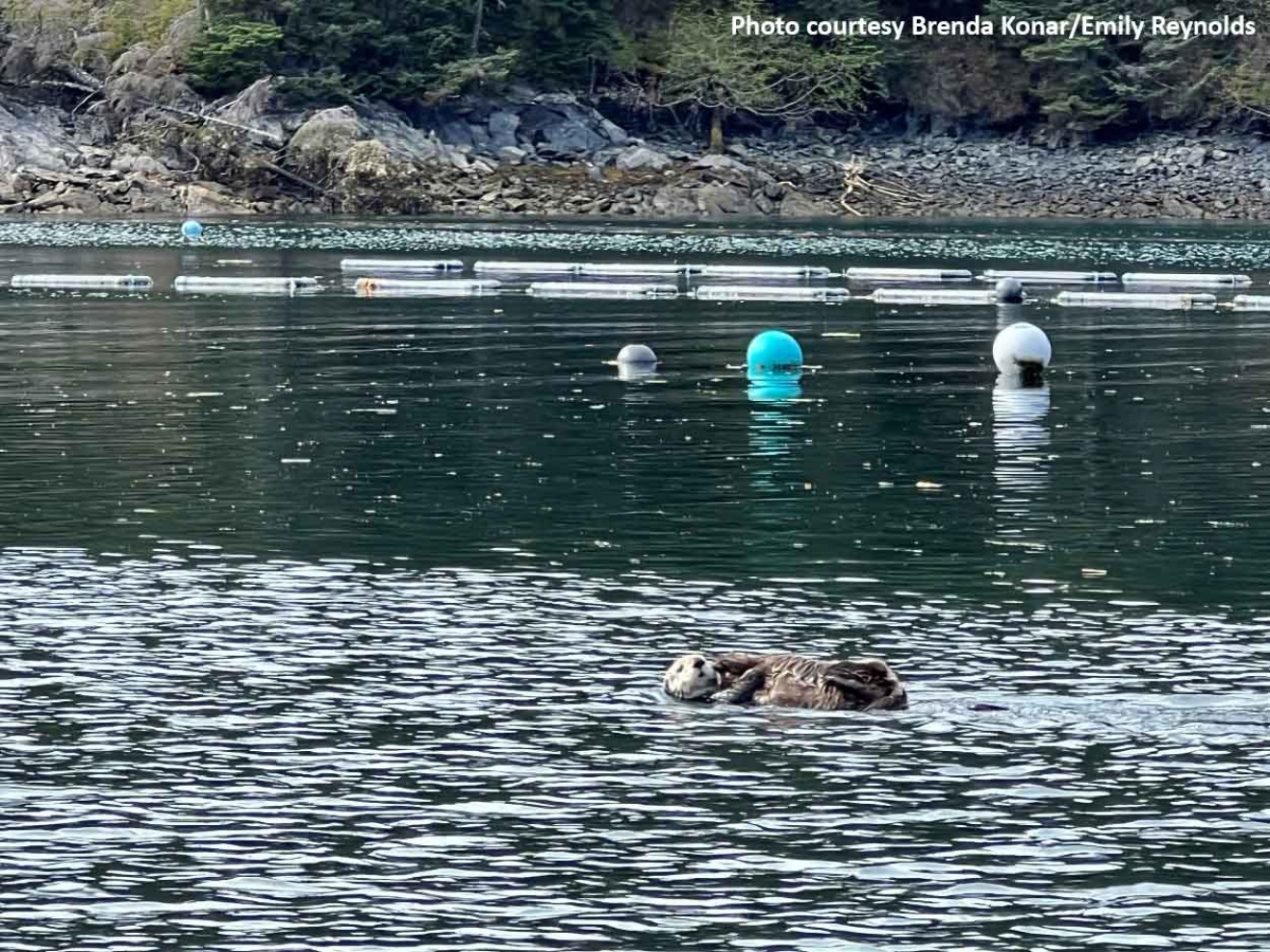
Estimates suggest that roughly 40% of all marine catch globally is bycatch. For animals like sea otters, which play an important role in keeping kelp forest ecosystems healthy, even small increases in mortality rates can affect the entire food web over time.
How Overfishing Makes Things Worse
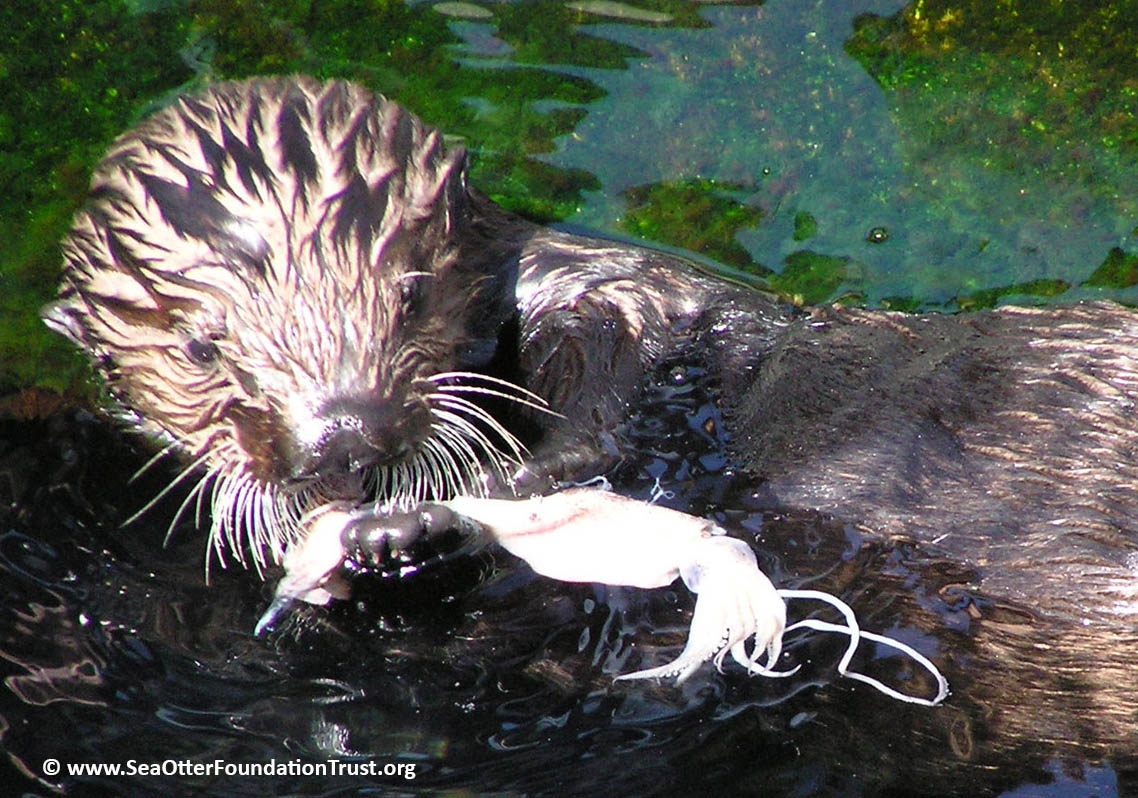
Bycatch is closely connected to the wider problem of fishing pressure on ocean ecosystems. Overfishing disrupts the food chains that marine mammals depend on to survive.
Here’s how the impact of overfishing can affect entire marine ecosystems:
- Prey depletion: When fish populations collapse, marine mammals that rely on those species for food face starvation, which makes them more vulnerable to other threats, such as microplastic contamination and disease.
- Habitat damage: Bottom trawling destroys seafloor habitats that support the biodiversity marine mammals need to thrive.
- Increased entanglement risk: As fishers work harder to find diminishing fish stocks, they expand into new areas, bringing gear into habitats where marine mammals feed and rest.
The connection between fish population health and marine mammal survival is direct. A healthier ocean with balanced fish stocks means fewer harmful interactions between fishing gear and wildlife.
What Meaningful Change Looks Like
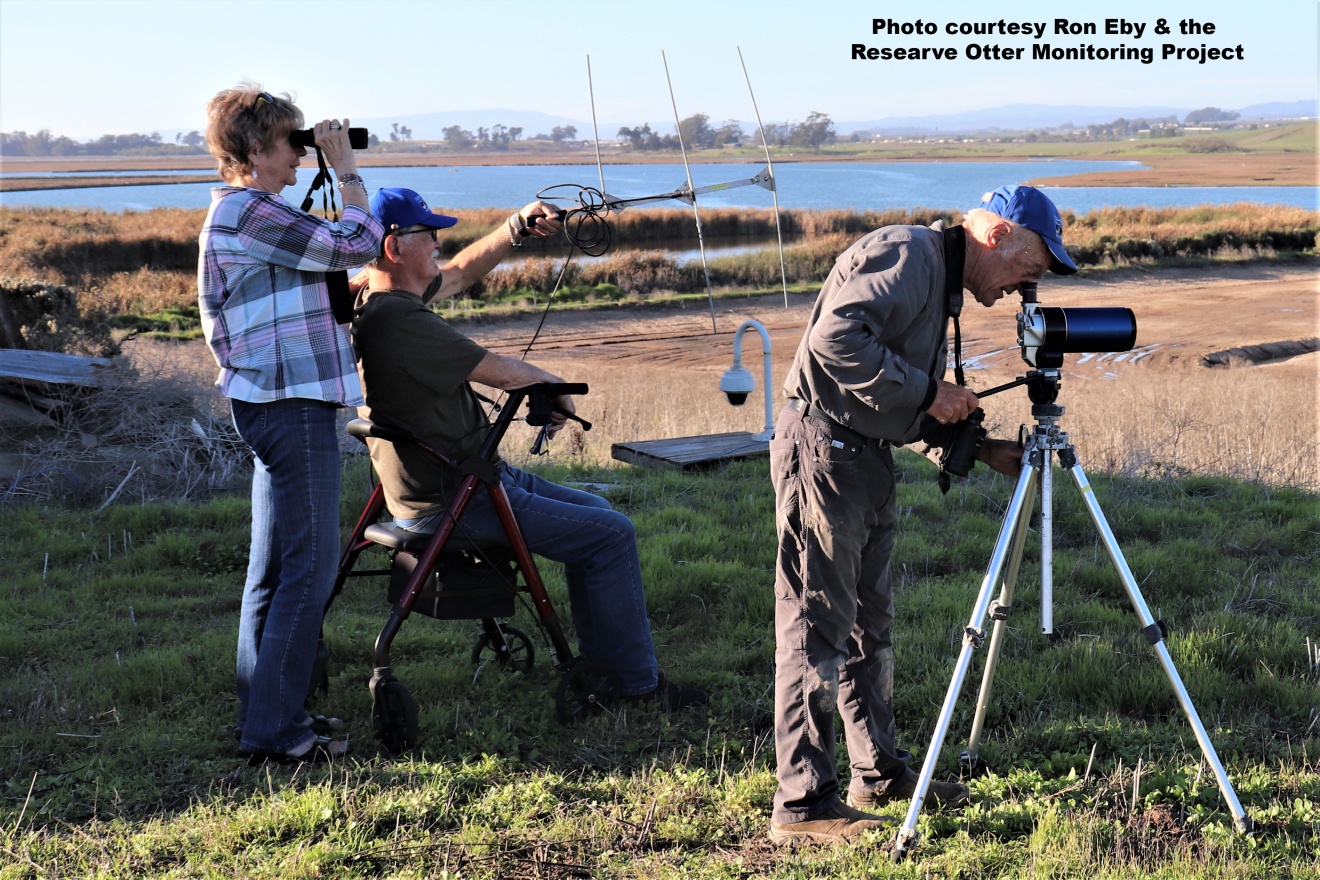
The good news is that solutions exist. Bycatch reduction efforts have proven effective when fishers, scientists, and policymakers work together. Marine conservation organizations around the world are pushing for wider adoption of gear modifications and smarter fishing strategies that protect wildlife without putting fishing communities out of business.
Sustainable fishing practices and sustainable fisheries management can make a measurable difference. Here are some approaches that are gaining traction:
- Pingers and acoustic deterrents: Small devices attached to nets emit sounds that warn dolphins and porpoises away before they get entangled.
- Time and area closures: Restricting fishing in critical habitats during sensitive seasons protects marine mammals when they are most vulnerable, giving species like sea otters a chance to recover and thrive.
- Gear switching: Replacing gillnets with fish traps or hook-and-line methods can drastically cut bycatch rates in many fisheries.
- Observer programs: Putting independent observers on fishing vessels creates accountability and generates the data scientists need to assess and improve bycatch rates over time.
The ocean is a shared resource. The choices made in fisheries management today will determine what kind of marine world we pass on to tomorrow. Supporting better practices and better policies is something all of us can be part of.
The Bigger Picture
Bycatch, overfishing, habitat loss, and climate change all feed into each other, and marine mammals bear the cost of all of them at once. That’s why protecting the ocean means looking at the whole system, not just one problem at a time.
Small shifts in how we fish, what we buy, and what policies we support can add up to real change over time. Consumers can choose sustainably sourced seafood. Communities can advocate for stronger bycatch regulations. And anyone paying attention can help spread awareness about what is actually at stake beneath the surface.
At the Sea Otter Foundation & Trust, we work to ensure the survival and recovery of sea otters in their habitats by raising funds to support research, conservation, and education. You can learn more about the all-important efforts of our grant recipients by watching our interviews with them. These efforts are funded directly by our supporters, so consider advancing our crucial work by adopting an otter or making a donation today!