The Successes of Sea Otter Motherhood
Introduction: Sea otter motherhood
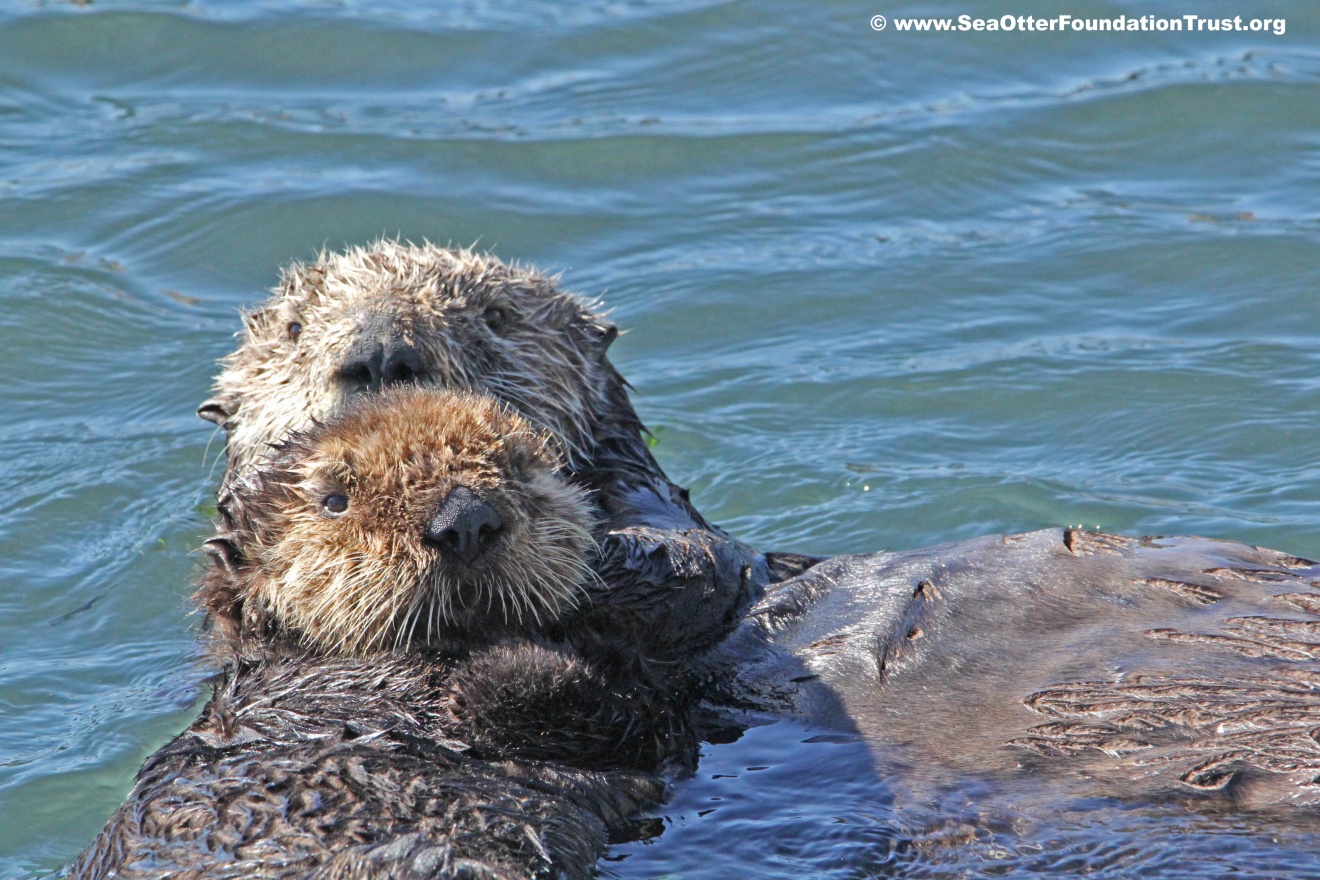
If you’re lucky, you might spot a tiny sea otter pup curled on its mother’s chest as she floats on her back, drifting in a quiet kelp forest. It looks peaceful, almost effortless, as if the ocean itself is rocking them to sleep. Moments like this are among the most tender sights in the natural world.
But there’s so much more to it. Sea otter motherhood is relentless, demanding constant energy and attention. Mothers sacrifice rest and body weight to keep their pups alive, rarely leaving them alone. That peaceful scene hides a reality of endurance, where every quiet moment is hard-earned.
What Motherhood Looks Like Day-to-Day
Otter parenting is a round-the-clock commitment. A sea otter mother carries her newborn pup on her chest from the moment of birth, nursing it, grooming it, and rarely letting it out of her reach. That grooming keeps the pup's dense fur packed with air bubbles, which provide the insulation and buoyancy the pup needs to survive in cold Pacific water.
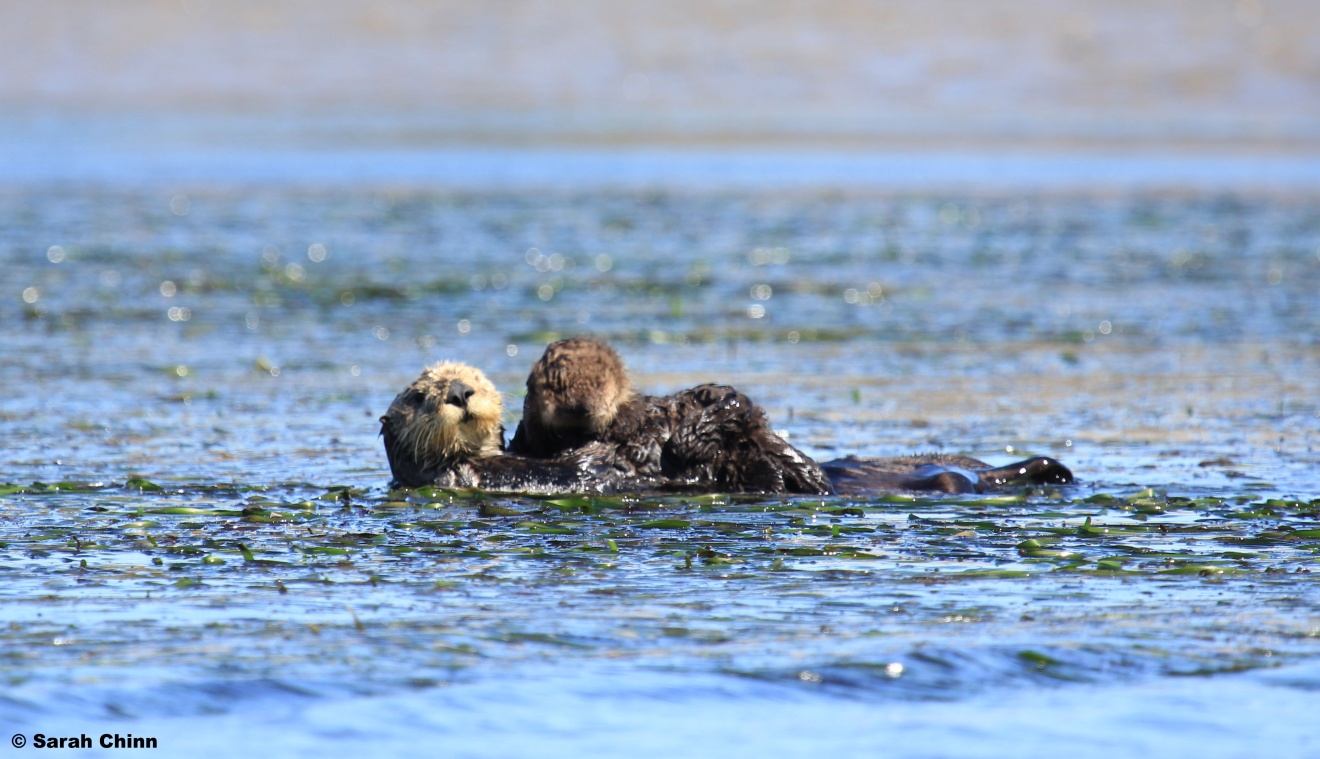
When the mom needs to dive for food, she wraps her pup in strands of kelp to keep it from drifting away, like swaddling with seaweed.
As the pup grows, the real teaching begins. Pups learn essential skills such as diving, catching prey, and grooming themselves to maintain their fur's buoyancy. The mom shares her catches, demonstrating how to crack open clams and urchins, passing down the knowledge that will define her pup's entire life cycle.
After courtship and mating, males are out of the picture entirely. The female otter is the sole provider of constant pup care, with no help from dad.
The Metabolic Mountain
Motherhood in nature rarely comes easy, and for sea otters, the physical demands are staggering. Here is what the numbers look like:
- Sea otters eat constantly to survive. Sea otters already consume 20% to 25% of their body weight every day just to stay warm and healthy.
- Even tiny pups increase the load. A pup that is just three weeks old raises its mother’s energy needs by 17%.
- Motherhood nearly doubles her demands. By late lactation, her daily energy needs have climbed to a 96% increase over her baseline.
- She sustains this for months. For up to six months, she must find enough prey to fuel both herself and a rapidly growing pup.
Understanding how sea otters are built to survive helps put these demands in perspective. Their metabolism is already running at full throttle before a pup ever arrives.
End-Lactation Syndrome
Sea otter milk is 20% to 25% fat, meaning mothers are pouring an enormous amount of caloric energy into every feeding. When she is already eating at her metabolic limit just to stay warm, that loss adds up fast. Some otter females push so hard to raise their pups that they deplete their bodies completely.
When that happens, even a small infection or minor wound can be fatal. This is called lactation syndrome, or end-lactation syndrome (ELS).
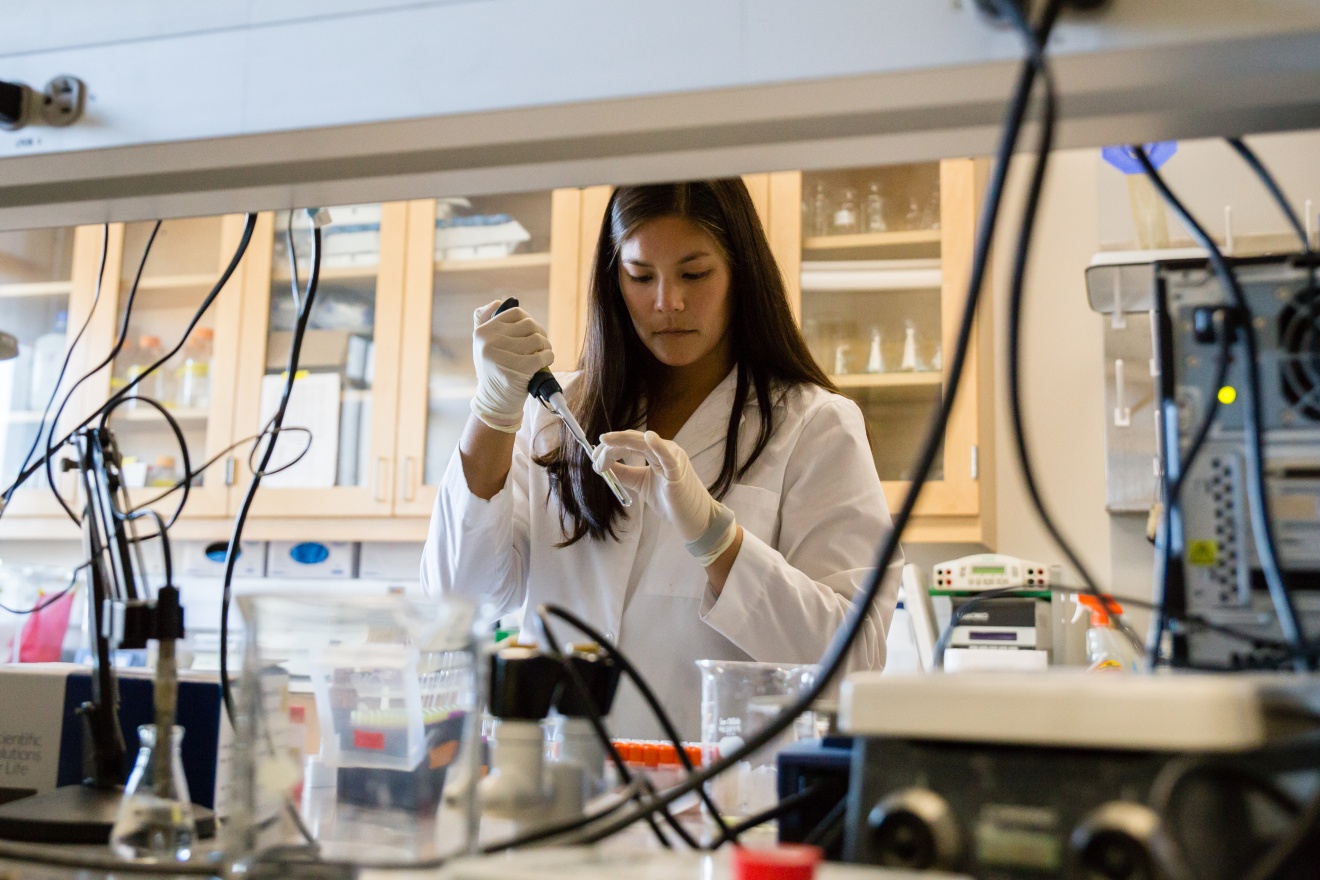
In one study, partially funded by Sea Otter Foundation & Trust, ELS accounted for 56% of adult female deaths. Older and more experienced mothers are among the most vulnerable, having given so much of themselves across multiple reproductive cycles. Learn more about end-lactation syndrome or watch our interview with principal researcher, Sarah Chinn.
Threats That Make It Worse
External pressures add to the burden that nursing mothers already carry:
- Human activity adds stress. Human disturbance and coastal tourism interrupt foraging and increase stress during the most energetically critical weeks of a mother’s life.
- Crowded habitats mean less food. Dense sea otter populations in some areas reduce available prey, making it harder for mothers to meet their elevated caloric needs.
- Climate change is reshaping their food supply. Climate change is shifting the availability and distribution of the invertebrates that sea otters depend on.
The factors driving sea otter population challenges are layered, and nursing mothers feel the effects more acutely than almost any other group.
Reasons for Hope
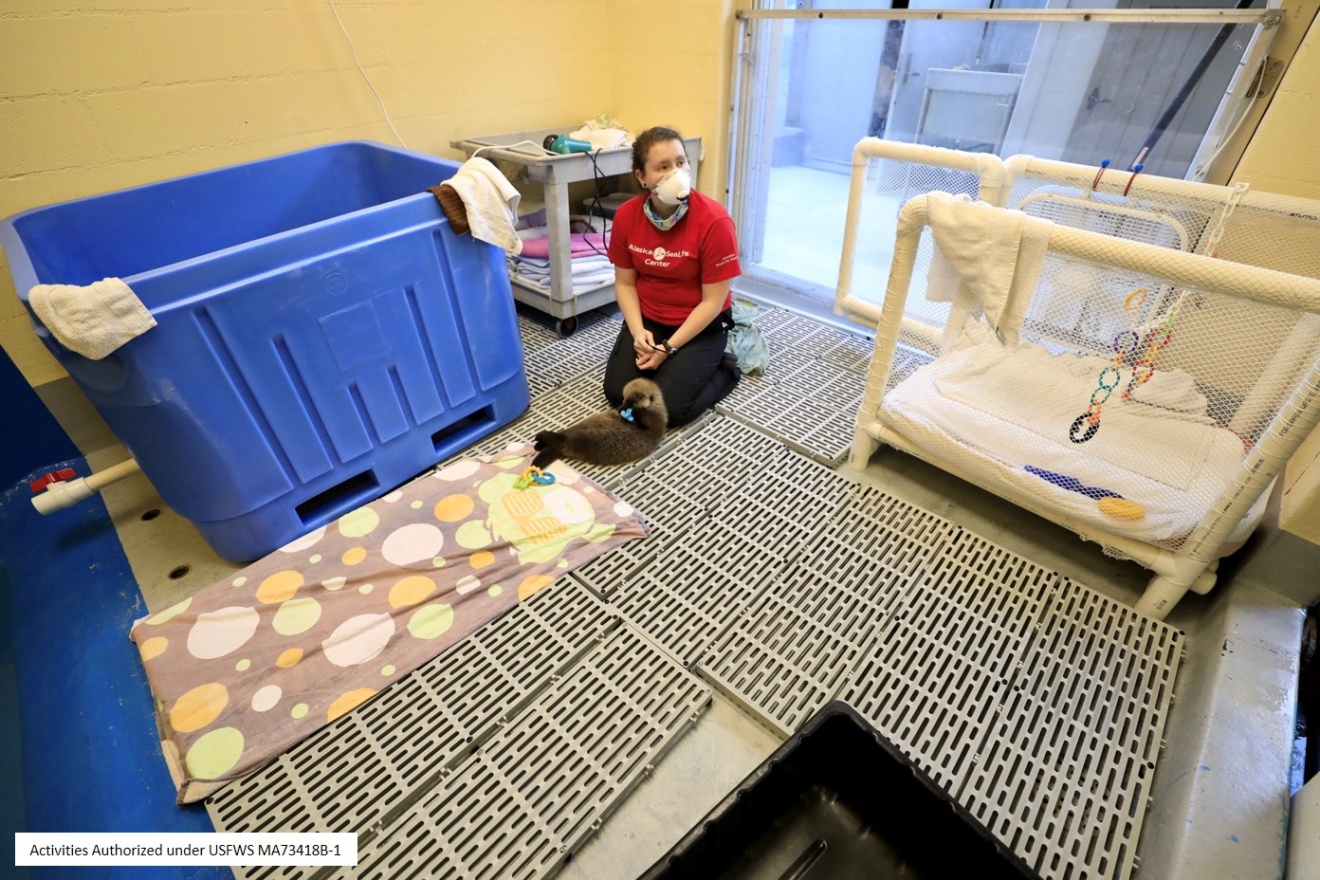
Conservationists and aquariums have pioneered sea otter surrogacy programs that pair orphaned pups with adult females who cannot return to the wild but still have strong maternal instincts. In these programs, a surrogate otter teaches a youngster the skills the pup needs before it can be released back into the ocean.
About 75% of pups raised by surrogate moms at the Monterey Bay Aquarium were successfully reintegrated into the wild, and released otters have helped revive local ecosystems by restoring balanced food webs.
It’s a tough process, but it shows that with thoughtful support and science-based care, sea otter populations can recover.
Worth Every Kelp Dive
Whether it’s Mother's Day or any other day of the year, sea otter moms offer a powerful reminder of what it really takes to raise the next generation. It’s constant work, tough trade-offs, and a remarkable level of commitment.
Next time you spot a mother otter floating with her pup on her chest, take a moment to appreciate what that picture really represents, and then give her plenty of room.
At the Sea Otter Foundation & Trust, we work to ensure the survival and recovery of sea otters in their habitats by building funds to support research, conservation, and education. You can learn more about the all-important efforts of our grant recipients by watching our interviews with them. These efforts are funded directly by our supporters, so consider advancing our crucial work by adopting an otter or making a donation today!