Understanding Sea Otters and Microplastics: A Threat to Their Habitat
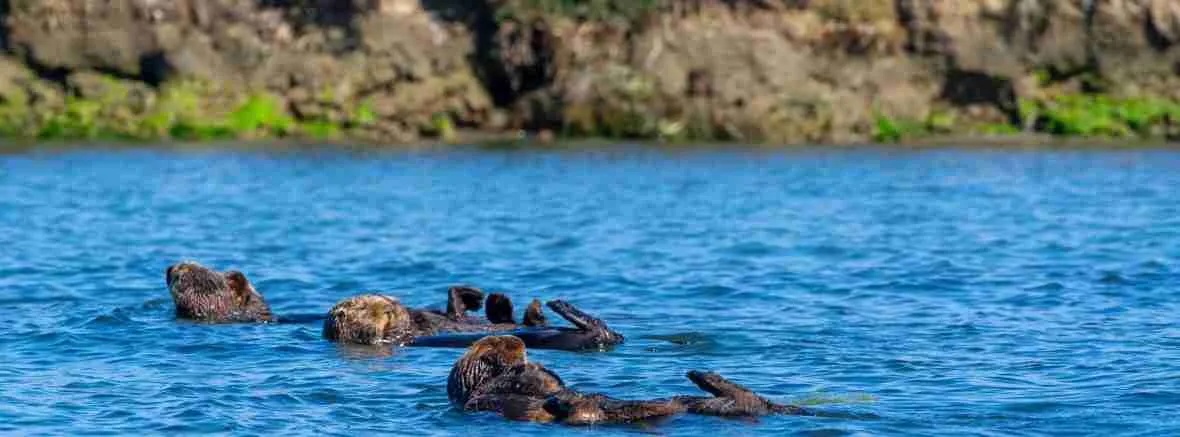
Sea otters (Enhydra lutris), known for their playful demeanor and remarkable ability to use tools, are far more than just beloved marine icons. These keystone predators help maintain the balance of kelp forest ecosystems, making their protection a priority for conservationists worldwide. Yet, a pervasive problem continues to threaten their future: microplastics in the ocean. With this article, we seek to develop an understanding of sea otters and microplastics.
Microplastics Definition and Why They Matter
What are microplastics? They are plastic particles smaller than 5 millimeters in size. They originate from larger plastic debris that breaks down over time or from microbeads found in consumer products such as facial scrubs and toothpaste. According to the National Oceanic and Atmospheric Administration (NOAA), microplastic pollution has become widespread in marine environments, affecting all levels of the food chain.
Researchers have detected microplastics in water sources around the globe, including drinking water supplies. They have also found microplastics in shellfish, which often serve as a primary food source for sea otters. Because these particles are so tiny, it is easy for them to accumulate in animal tissues and disrupt biological functions. This contamination poses unique challenges for vulnerable species such as the southern sea otter.
Why Are Microplastics So Dangerous?
The small size of microplastics makes them difficult to filter out of marine ecosystems, and their composition allows them to absorb toxins. When predators such as sea otters consume prey that has ingested microplastics, these harmful chemicals can accumulate in their bodies. Over time, this process can lead to organ damage, hormonal imbalances, and compromised immune systems.
Direct Threats to Sea Otters
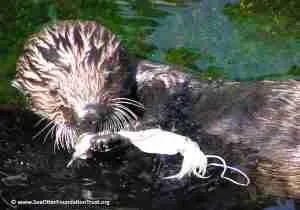
Sea otters rely on healthy kelp forests and bountiful shellfish populations to survive. So how does plastic affect sea otters? Studies show that microplastic effects can be particularly harmful when toxins compromise a sea otter’s immune system, making it harder for them to fight diseases such as toxoplasmosis.
- Southern sea otter plastic ingestion becomes an even bigger concern when runoff from coastal areas carries debris into kelp forests.
- Sea otters are affected by plastic both directly, through ingestion, and indirectly, by the degradation of their habitat.
These tiny plastic particles also cause problems when they accumulate in the digestive systems of shellfish — an integral part of a sea otter’s diet. If you are wondering how plastics affect southern sea otters, the answer lies in bioaccumulation: each small piece of plastic can deliver a high concentration of pollutants over time. As sea otters eat contaminated shellfish, the toxins build up, threatening the animals’ overall health.
What Kind of Plastics Harm a Sea Otter?
All types of plastic have the potential to break down into microplastics, including bottles, bags, and synthetic textiles. However, what plastics could affect southern sea otter populations the most? Generally, any plastic waste southern sea otters might encounter, whether from litter on beaches or from fragments drifting into their ecosystem, can contribute to microplastic contamination.
Ocean currents can carry massive amounts of waste to coastal regions, leading to higher plastic concentrations in areas where sea otters forage. According to studies, an estimated 1.7 million metric tons of plastic end up in the oceans each year, further compounding the threat to marine life.
Supporting Research and Conservation Efforts
A few years ago, the Sea Otter Foundation and Trust (SOFT) awarded a grant to the Seattle Aquarium to investigate the impacts of microplastics in the ocean on sea otters and their habitat. This research project aimed to identify how contaminated shellfish might affect the health of southern sea otters, providing data to inform conservation strategies and public policy.
SOFT’s partnership with the Seattle Aquarium underscores the importance of ongoing research in the battle against plastic waste southern sea otter contamination. By studying how microplastics affect sea otters, scientists can develop more effective conservation strategies, such as better waste management and pollution prevention programs.
Conservation organizations rely on donations to continue work like this. Learn more about why donating to sea otter conservation matters, or discover innovative technologies in sea otter research that organizations are using to gather crucial data.
Impact on Habitat and Kelp Forests
Healthy kelp forests do more than just shelter sea otters — they also act as carbon sinks that help mitigate climate change. When plastic fragments disrupt this delicate environment, the entire ecosystem suffers.
Because of their role in maintaining kelp forests, sea otters help keep urchin populations in check, preventing what are known as urchin barrens. This balance can quickly collapse if otter numbers decline, allowing urchins to overgraze on kelp. Declines in kelp forests lead to reduced biodiversity and diminished protection for coastlines against erosion.
What Can We Do?
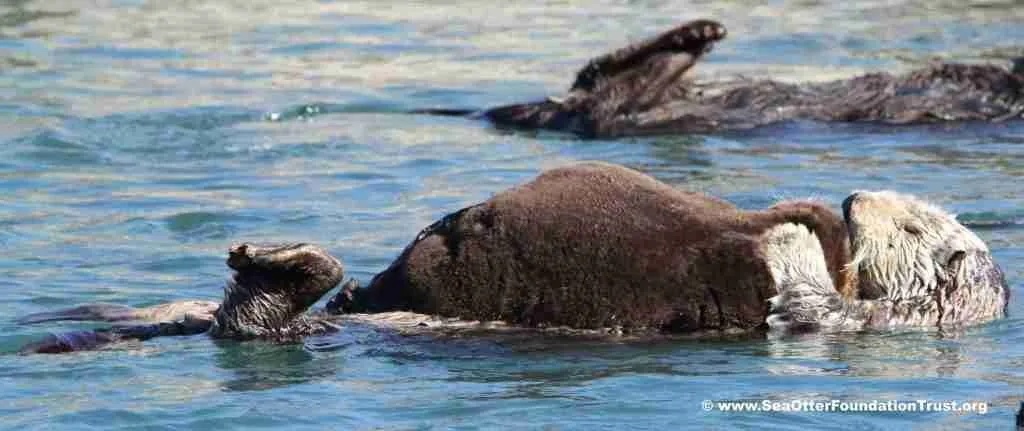
Individuals can help address the growing threat of microplastic pollution by:
- Reducing Single-Use Plastics: Avoid disposable items such as straws, bottles, and bags.
- Participating in Beach Cleanups: Keep debris out of coastal areas where it can affect sea otter populations.
- Supporting Legislation: Advocate for policies that limit plastic production and improve recycling infrastructure.
- Donating to Research and Conservation: Contribute to nonprofit organizations focusing on sea otter research and conservation.
The Path Forward for Sea Otters
Conservationists continue to implement solutions that aid in sea otter recovery. By monitoring microplastics in water and studying microplastics in shellfish, researchers gain vital insights into the risks facing otters. Rehabilitation efforts also help rescue injured animals and return them to the wild, preserving genetic diversity and strengthening populations. You can learn more about the sea otter life cycle from pup to adult and ongoing programs that bolster their survival.
Moreover, aquariums and zoos play a crucial role in raising awareness and expanding research opportunities. Read about the vital role of aquariums and zoos in sea otter conservation to see how these institutions support habitat restoration and public education.
Sea otters stand at a precarious crossroads, caught between human-caused pollution and natural survival challenges. The evidence shows that microplastic contamination can weaken entire populations.
By learning more about microplastics, understanding they are so dangerous, and supporting targeted conservation efforts, we can protect sea otters and their vital kelp forest habitats. The quest to safeguard these marine mammals ultimately helps sustain healthier oceans for all species — and for future generations of humans who cherish the gentle presence of these indispensable creatures.
Together, we can help curb sea otter exposure to plastic waste and ensure these charismatic animals continue to grace our oceans for years to come.
At SOFT, we work to ensure the survival and recovery of sea otters in their habitats by building funds to support research, conservation, and education. You can learn more about the all-important efforts of our grant recipients by watching our interviews with them. These efforts are funded directly by our supporters, so consider advancing our crucial work by adopting an otter or making a donation today!