The Diet of a Sea Otter: What Sea Otters Eat and Why It Matters
Sea otters (Enhydra lutris) are fascinating creatures that play a critical role in maintaining the balance of marine ecosystems. One key aspect illustrating the importance of sea otters is understanding the diet of a sea otter. Understanding what sea otters eat, how it affects the broader environment, and why their diet matters can provide insight into their role in the ocean’s health.
What Is a Sea Otter’s Diet?
The sea otter diet consists primarily of marine invertebrates, but their specific food choices can vary depending on their location and the time of year. Generally, sea otters are carnivorous and focus on high-protein foods, which they access through hunting and foraging in their coastal habitats.
Common Foods in a Sea Otter’s Diet

Sea Urchins: Sea otters are well-known for eating sea urchins, which can significantly impact kelp forests. Sea urchins can consume entire kelp populations, creating what are known as urchin barrens.
Crabs: Sea otters enjoy feasting on various types of crabs, using their dexterous forepaws to break open the shells.
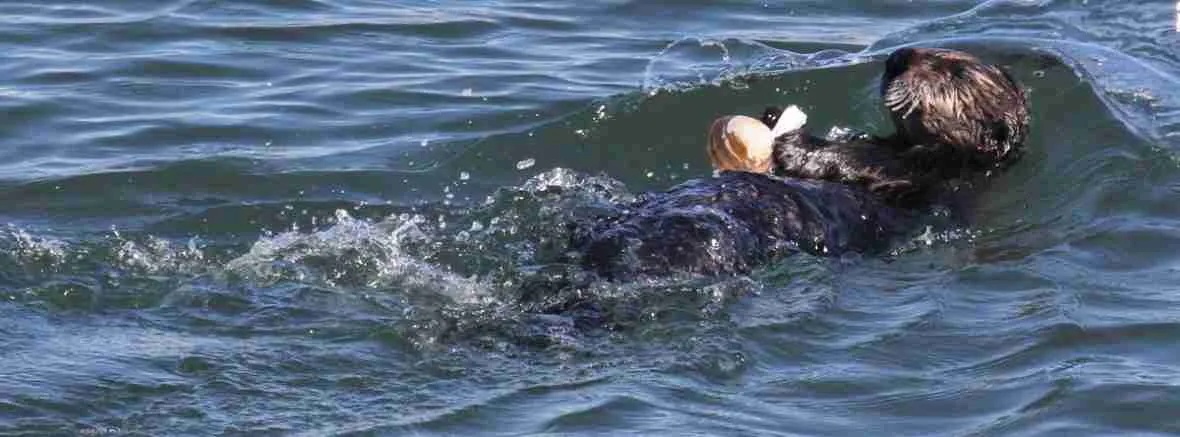
Mussels and Clams: These bivalves are another staple of the sea otters’ diet, which they often crack open using rocks.
Snails and Other Gastropods: These small mollusks are also part of a sea otter’s varied diet.
Fish: While sea otters primarily focus on invertebrates, they occasionally eat small fish when the opportunity arises.
In captivity, sea otter diets are carefully selected to replicate what they naturally eat in the wild. However, their diet may also be supplemented with foods that provide additional nutritional support, such as squid and other marine species. This is important for their health and well-being in managed care environments.
Why the Sea Otter Diet Matters
The diet of a sea otter directly impacts not only the otters themselves but also the broader marine ecosystem. Sea otters are considered a keystone species, meaning their behavior has a disproportionately large impact on the structure and function of their environment.
One of the most significant ways the sea otter diet affects the ecosystem is through its impact on kelp forests. Sea otters feed on herbivorous species such as sea urchins, which graze on kelp. By controlling sea urchin populations, sea otters help maintain the health and biodiversity of kelp forests by preventing urchin barrens. These forests are vital marine habitats, providing shelter and food for a wide range of marine species. Without sea otters, unchecked sea urchin populations can devastate kelp forests, leading to a decrease in biodiversity and the collapse of this critical habitat.
Kelp forests also act as a carbon sink, capturing carbon from the atmosphere and helping mitigate climate change. The decline of these habitats would exacerbate climate change, making sea otters’ role in protecting kelp even more crucial.
The Impact on Biodiversity
Sea otters are not just important for kelp forests. Their diet helps regulate populations of other marine species, maintaining a balance that supports a diverse and healthy ecosystem. By keeping populations of sea urchins and other invertebrates in check, sea otters ensure that no single species dominates the environment, allowing for greater biodiversity.
Additionally, the diet of a sea otter indirectly benefits fish populations. By controlling herbivores such as sea urchins, sea otters help maintain the kelp forests that serve as crucial habitats for juvenile fish. Healthy fish populations are essential for the broader marine food chain, which includes humans.
Sea Otters and Climate Change: The Unseen Connection

The sea otters’ diet is also tied to the ongoing effects of climate change. Rising ocean temperatures and ocean acidification threaten many of the species that sea otters rely on for food. For instance, sea urchins, which are a key part of the sea otters’ diet, are highly sensitive to temperature changes. As the ocean warms, these animals may move to cooler waters or experience population fluctuations. This can create a ripple effect in the ecosystem, altering the availability of food for sea otters and other predators.
Moreover, the health of kelp forests is closely tied to the carbon dioxide levels in the ocean. As sea otters and climate change are interconnected, any negative shifts in the environment could reduce the availability of the sea otters’ preferred food sources. This highlights why protecting sea otters is crucial for both biodiversity and the fight against climate change.
How Sea Otters Adapt to Their Diet
Sea otters are highly specialized feeders, using a variety of tools and techniques to access their food. They have developed unique adaptations to thrive in their environments, which are crucial to their diet.
Sea Otter Adapations for Eating
- Tool Use: Sea otters are one of the few animals that use tools. They use rocks and other hard objects to crack open shells and access the soft tissue inside.
- Dense Fur: Sea otters have the densest fur of any animal, which helps them stay warm in cold ocean waters. This adaptation is essential for them to spend long periods hunting for food in sub-zero temperatures.
- High Metabolism: Sea otters have an extremely high metabolism to support the energy demands of hunting and staying warm. They need to consume about 25%-30% of their body weight daily to meet these needs.
These adaptations are directly linked to the diet of a sea otter, allowing them to forage efficiently and consume the necessary amount of calories each day.
The Role of Sea Otters in Marine Conservation
The diet of a sea otter is not just about feeding themselves — it’s about maintaining the delicate balance of the marine ecosystem. In regions where sea otters have been reintroduced, kelp forests have flourished, showing the positive effects of otter populations on the ecosystem. This demonstrates the broader impact of sea otters, whose diet influences everything from species diversity to climate change mitigation.
The Need for Conservation
Protecting sea otters is crucial for preserving marine habitats. Without these creatures, many marine ecosystems would face significant challenges, including the degradation of kelp forests and the destabilization of food webs.
The sea otter diet is more than just a matter of personal survival. It plays a crucial role in maintaining the balance of marine ecosystems, supporting biodiversity, and even combating climate change. By controlling populations of herbivores such as sea urchins, sea otters help preserve kelp forests, which are essential for many marine species and act as carbon sinks. With their unique adaptations and keystone status, sea otters are vital players in ocean conservation.
The health of sea otters and their diet directly influences the health of our oceans. By protecting sea otters, we are protecting the entire marine ecosystem.
At SOFT, we work to ensure the survival and recovery of sea otters in their habitats by building funds to support research, conservation, and education. You can learn more about the all-important efforts of our grant recipients by watching our interviews with them. These efforts are funded directly by our supporters, so consider advancing our crucial work by adopting an otter or making a donation today!