Sea Otters and Marine Biodiversity
Sea Otters and Marine Biodiversity
Why is biodiversity important to ecosystems? It’s the backbone of resilience. Biodiversity supports food webs, nutrient cycling, water purification, and carbon sequestration. In simple terms, ecosystems with a wide variety of life are more stable, productive, and capable of recovering from disruption.
When it comes to the oceans, the stakes are especially high. Marine biodiversity underpins the health of marine ecosystems, including coral reefs, seagrass meadows, kelp forests, and estuaries. These systems feed billions of people, support global fisheries, protect coastlines from erosion, and store vast amounts of carbon. Yet, as climate change, pollution, and overexploitation threaten the seas, protecting ocean biodiversity is more urgent than ever.
The Sea Otter-Kelp-Urchin Triad: A Case Study in Interdependence
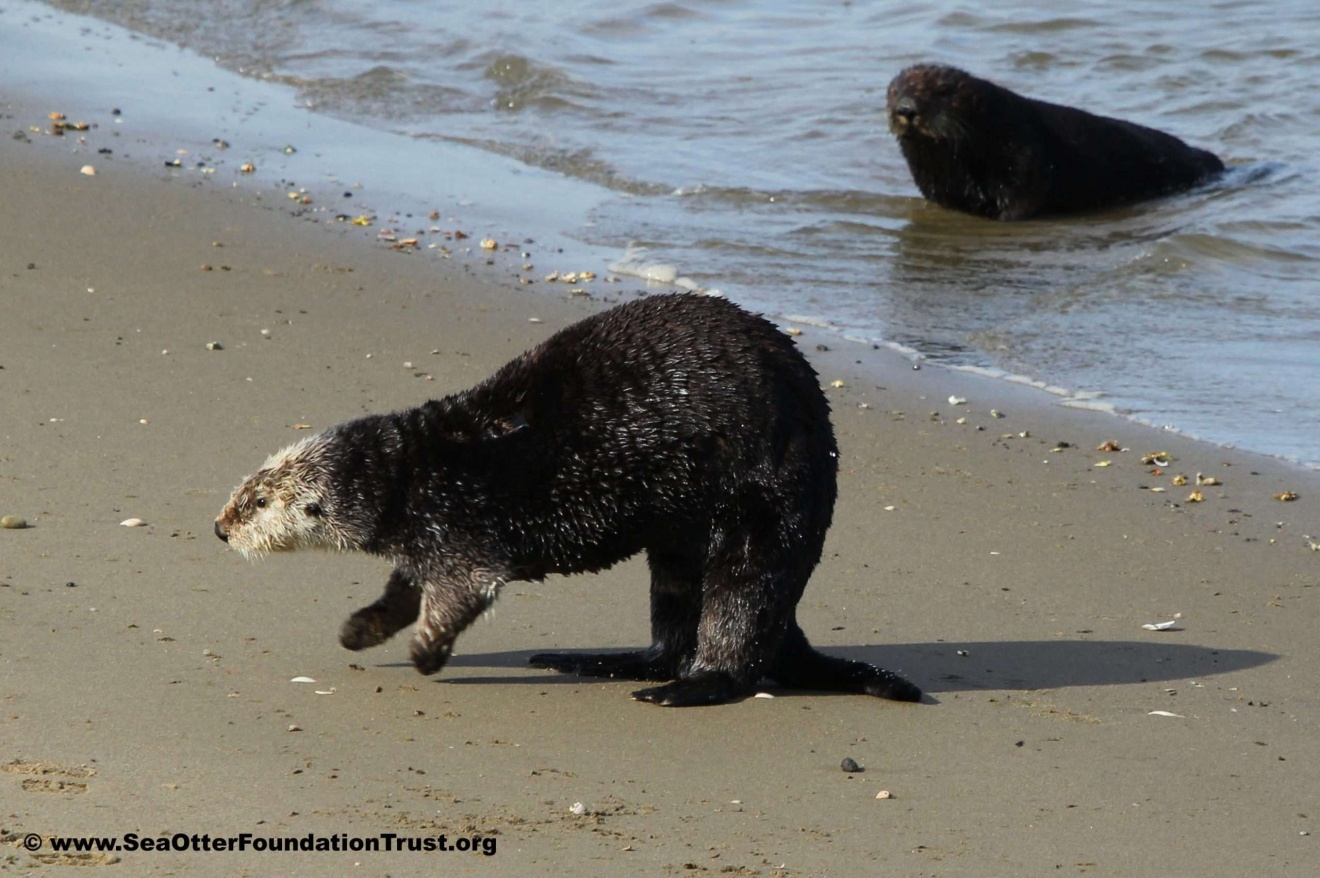
If you’re looking for a textbook example of how one species can shape an entire ecosystem, look no further than the sea otter. Sea otters and marine biodiversity are inexorably connected. This keystone predator maintains balance in coastal ecosystemsthrough its interactions with sea urchins and kelp forests.
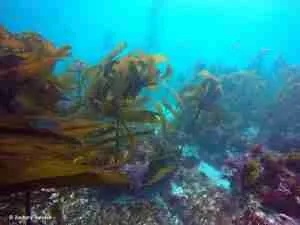
Sea urchins, when left unchecked, devour kelp at an unsustainable rate. Without predators, they form “urchin barrens” — underwater deserts devoid of kelp and the life it supports. Sea otters prey heavily on sea urchins, keeping their populations in check. With urchins controlled, kelp can thrive, creating structurally complex aquatic habitats that support diverse marine species.
This dynamic can be broken down into three key ecological interactions:
- Otters eat sea urchins: By feeding on urchins, sea otters keep their populations in check.
- Fewer urchins mean more kelp: With less grazing pressure, kelp forests can grow and thrive.
- Kelp forests support biodiversity: These underwater forests provide shelter, food, and breeding grounds for fish, invertebrates, and marine mammals, increasing overall biodiversity.
This triad illustrates a powerful example of why sea otters are essential to their ocean habitat.
The Vital Role of Kelp Forests
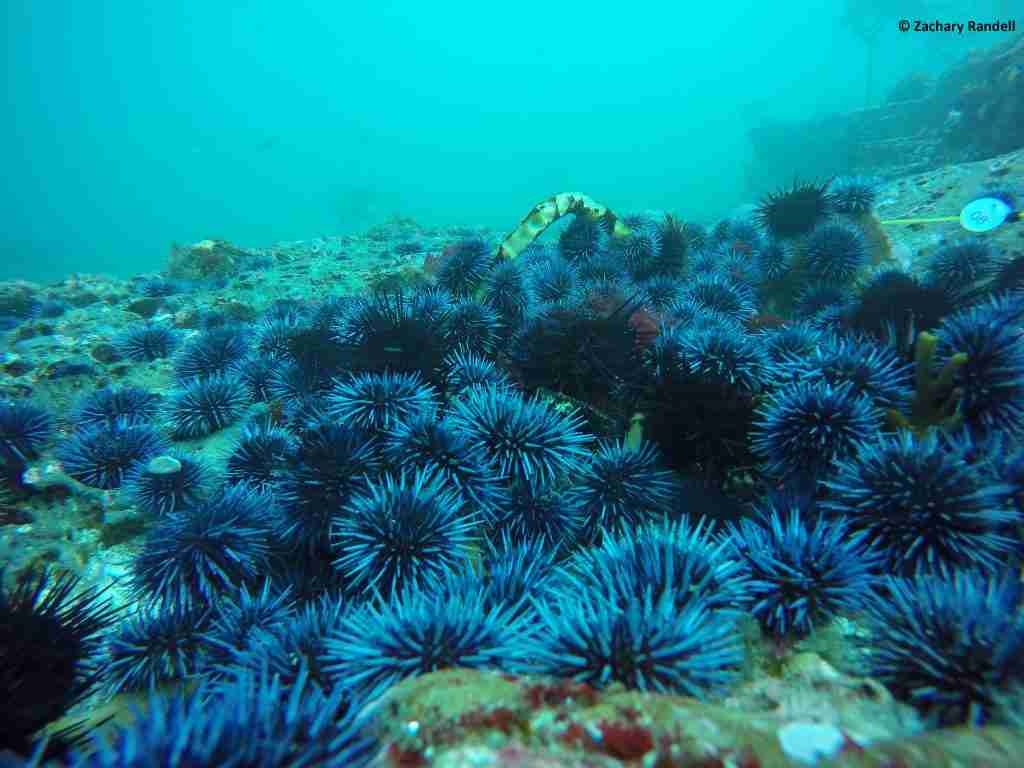
By eating sea urchins and allowing kelp forests to thrive, sea otters shape their entire environment. Kelp forests are among the most productive and diverse ocean habitats, offering food and shelter to a wide variety of marine life. Their dense structure creates complex spaces that support everything from invertebrates to large ocean fauna such as fish, seals, and sea otters themselves. This habitat complexity is vital for maintaining biodiversity and healthy ocean ecosystems.
Beyond their role in supporting marine species, kelp forests also help stabilize coastlines by reducing wave impact and seafloor erosion. They absorb large amounts of carbon dioxide, making them important players in climate regulation. When sea otters keep urchin populations in check, they prevent the overgrazing of kelp, allowing these underwater forests to flourish. In doing so, otters help preserve the rich web of marine life that depends on kelp, and by extension, the health of our oceans.
What Happens to Kelp Forests When Sea Otters Disappear?
Unfortunately, this is not a hypothetical question. Throughout history, the decline or removal of sea otters has led to significant ecological consequences. In the Aleutian Islands, for instance, sea otter populations plummeted by up to 95% in the late 20th century. This decline allowed sea urchin populations to explode, resulting in the overgrazing of kelp forests and the transformation of these vibrant ecosystems into barren seascapes devoid of the rich marine life they once supported. The historical overhunting of sea otters serves as a stark reminder of the cascading effects that can result from the loss of a single keystone species.
Despite the damage done in the past, there is reason for hope: In areas where sea otters have been successfully reintroduced, kelp forests and the rich marine life they support are making remarkable recoveries. Research shows that areas where sea otters have recolonized have experienced marked increases in marine biodiversity in a variety of regions:
- Elkhorn Slough, California: Between 2002 and 2015, the sea otter population grew from approximately 20 to nearly 150 individuals. Surrogate-reared otters and their offspring accounted for about 55% of this growth, contributing to the restoration of local ecosystems. This shows how vital and successful rehabilitation and release programs can be.
- British Columbia Coast: The return of sea otters has been linked to a 40% increase in coastal ecosystem productivity, resulting in higher fish catches, enhanced carbon storage, and boosted tourism opportunities.
- California’s kelp forests: Over the past century, areas with sea otter presence have experienced nearly a 60% increase in kelp coveragedespite environmental challenges, underscoring the otters’ role in ecosystem resilience
These examples illustrate the significant ecological benefits of sea otter conservation and reintroduction initiatives — powerful reminders of how marine conservation and ocean protection efforts can restore balance and biodiversity to fragile coastal ecosystems.
Threats to Otter-Mediated Biodiversity Dynamics
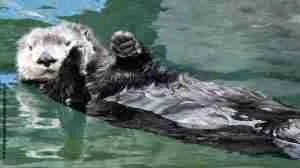
Despite their ecological importance, sea otters face ongoing threats that jeopardize the biodiversity they support. These include:
- Pollution and microplastics: Otters are highly susceptible to toxins absorbed through their dense fur and diet. Learn more about microplastics’ threat to sea otters.
- Climate change: Rising ocean temperatures and acidification affect kelp forests, urchin metabolism, and otter food availability. Read about sea otters and climate change.
- Human conflicts: Otters sometimes come into conflict with fisheries over shellfish resources. Illegal hunting and bycatch also remain problems.
- Population decline: Otter populations are still recovering from near-extinction due to fur trade hunting. Read about the causes of population decline.
Technological innovations are helping conservationists track and protect sea otters, but these challenges still require collaborative effort to ensure they thrive in the long run.
Protecting the Protectors of the Coast
The Sea Otter Foundation & Trust (SOFT) is at the forefront of promoting sea otter recovery, public awareness, and scientific research. As enablers of marine biodiversity, sea otters are a powerful symbol of the kind of holistic thinking we need in marine conservation.
There are several ways you can get involved and help protect sea otters and their vital role in marine ecosystems:
- Adopt a sea otter: Symbolic adoptions help fund research and protection.
- Educate yourself: Learn sea otter facts and share them.
- Support SOFT’s mission: Donations, partnerships, and advocacy go a long way.
- Reduce single-use plastics: Prevent microplastics from entering ocean habitats.
Marine ecosystems are interconnected. When we protect one species, such as the sea otter, we often end up safeguarding hundreds more. That’s the essence of ocean biodiversity: Everything is linked, and it all matters.
Sea otters aren’t just cute — they’re climate allies, biodiversity builders, and sentinels of healthy aquatic habitats. Supporting them supports the broader mission of ocean protection and ecological resilience. Their story is a reminder that when we invest in nature, nature pays us back tenfold.
At SOFT, we work to ensure the survival and recovery of sea otters in their habitats by building funds to support research, conservation, and education. You can learn more about the all-important efforts of our grant recipients by watching our interviews with them. These efforts are funded directly by our supporters, so consider advancing our crucial work by adopting an otter