Kelp Forests 101: Underwater Ecosystems That Sustain Life
What are kelp forests?
Imagine towering forests swaying in an ocean current, golden-brown fronds reaching toward sunlight filtering through the water's surface. These aren't trees but giant kelp, creating some of the most productive and biodiverse ecosystems on Earth. But what are kelp forests exactly? They're dense aggregations of large brown algae that form complex underwater structures along cold, rocky coastlines.
From the nutrient-rich waters of California to the coasts of Washington, Alaska, South America, South Africa, Australia, and New Zealand, these remarkable ecosystems thrive in temperate and subpolar regions worldwide. Kelp forest locations depend on specific conditions: cold water temperatures, rocky seafloors for anchoring, and abundant sunlight for photosynthesis. Together, these factors create vibrant aquatic wonderlands teeming with life.
The Anatomy and Growth of Kelp
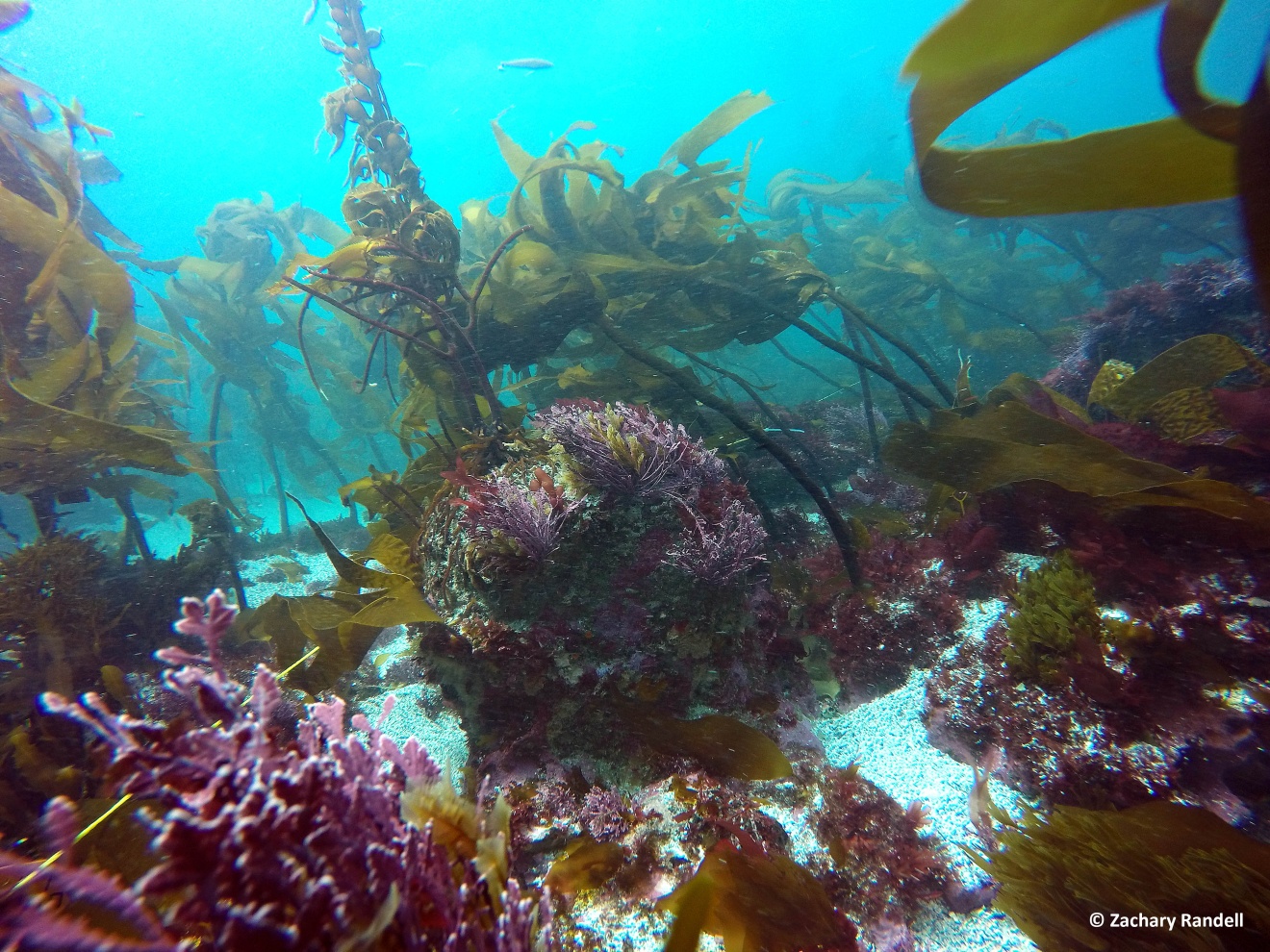
Kelp grows at an astonishing rate, sometimes adding up to two feet in a single day. This makes it one of the fastest-growing organisms on the planet. This remarkable growth is made possible by a specialized structure perfectly adapted to the ocean environment.
Each kelp plant consists of three main parts working in harmony:
- Holdfasts are root-like structures that anchor the kelp to rocky substrate, providing a firm grip against powerful ocean currents and waves without absorbing nutrients.
- Stipes are long, flexible, stem-like structures that stretch upward through the water column, supporting the plant as it reaches toward the surface.
- Blades are wide, leaf-like parts where photosynthesis takes place, capturing sunlight and drawing nutrients straight from the surrounding water. In many species, small gas-filled structures called pneumatocysts help lift these blades upward, keeping them closer to the light.
This elegant design allows kelp to thrive in dynamic ocean environments, creating the foundation for entire underwater communities.
A Bustling Underwater City
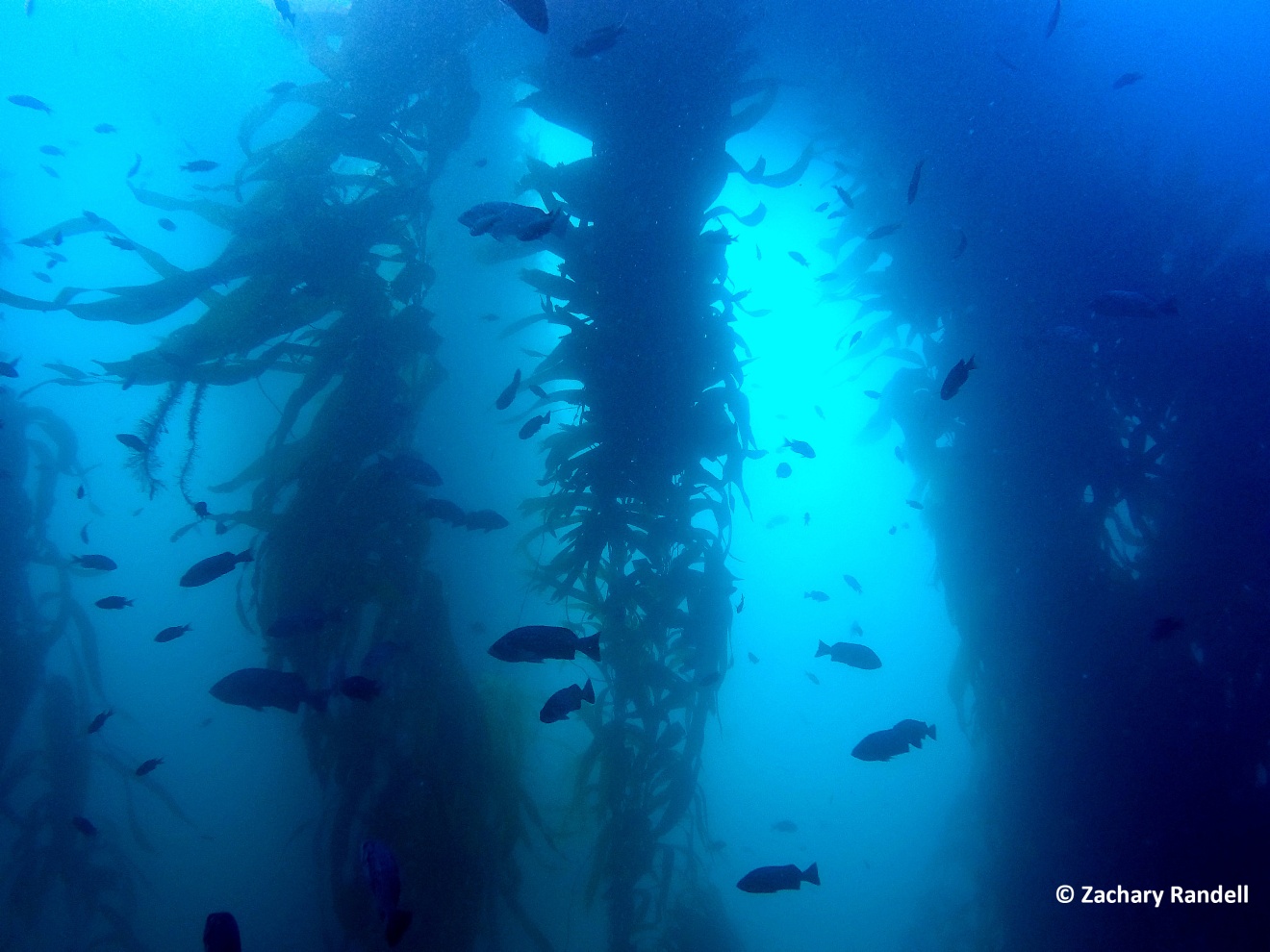
Underwater kelp forests provide nursery habitat for juvenile fish, feeding grounds for marine mammals, and hunting territory for predators both large and small. From seafloor to surface, hundreds of species make their homes in this aquatic metropolis.
Kelp forest animals occupy every available niche:
- Rockfish and lingcod rely on the kelp's vertical structure for shelter and hunting opportunities, using the stipes as cover from larger predators.
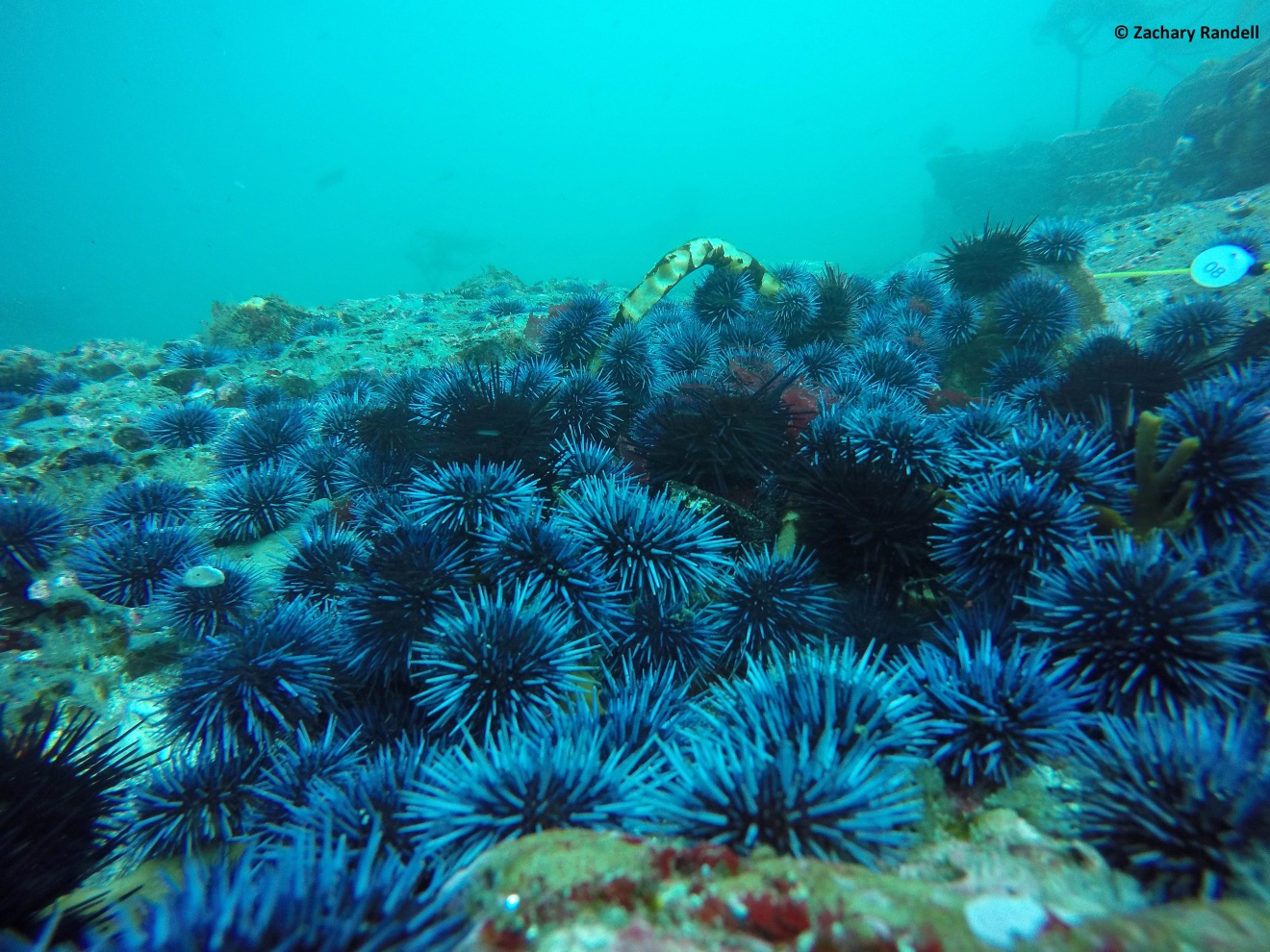
- Sea urchins feed directly on kelp; When kept in balance by predators, their grazing pressure shapes kelp forest health and distribution.
- Harbor seals hunt throughout the kelp forest, using the dense vegetation as protection while pursuing fish and squid.
- Invertebrates such as crabs, snails, and sea stars attach to holdfasts and blades, finding food and shelter in the kelp.
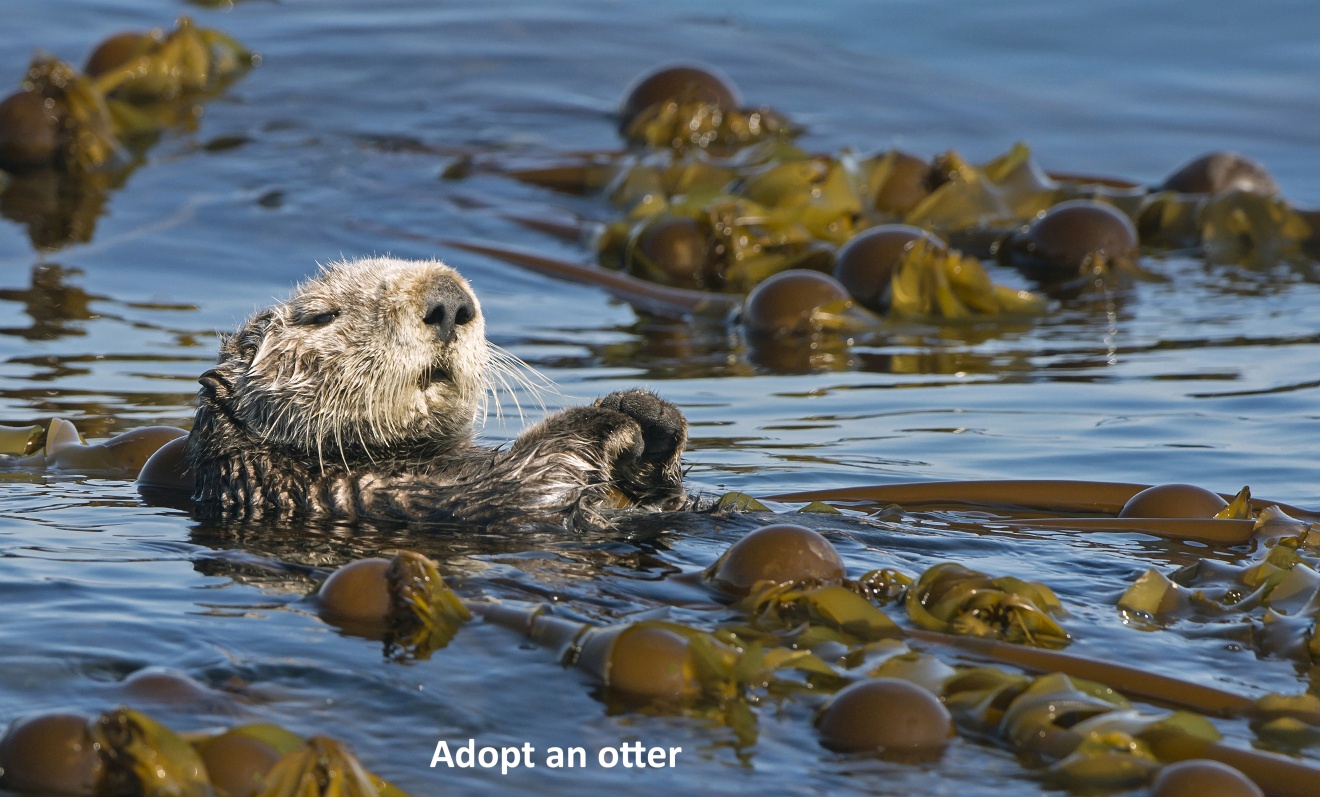
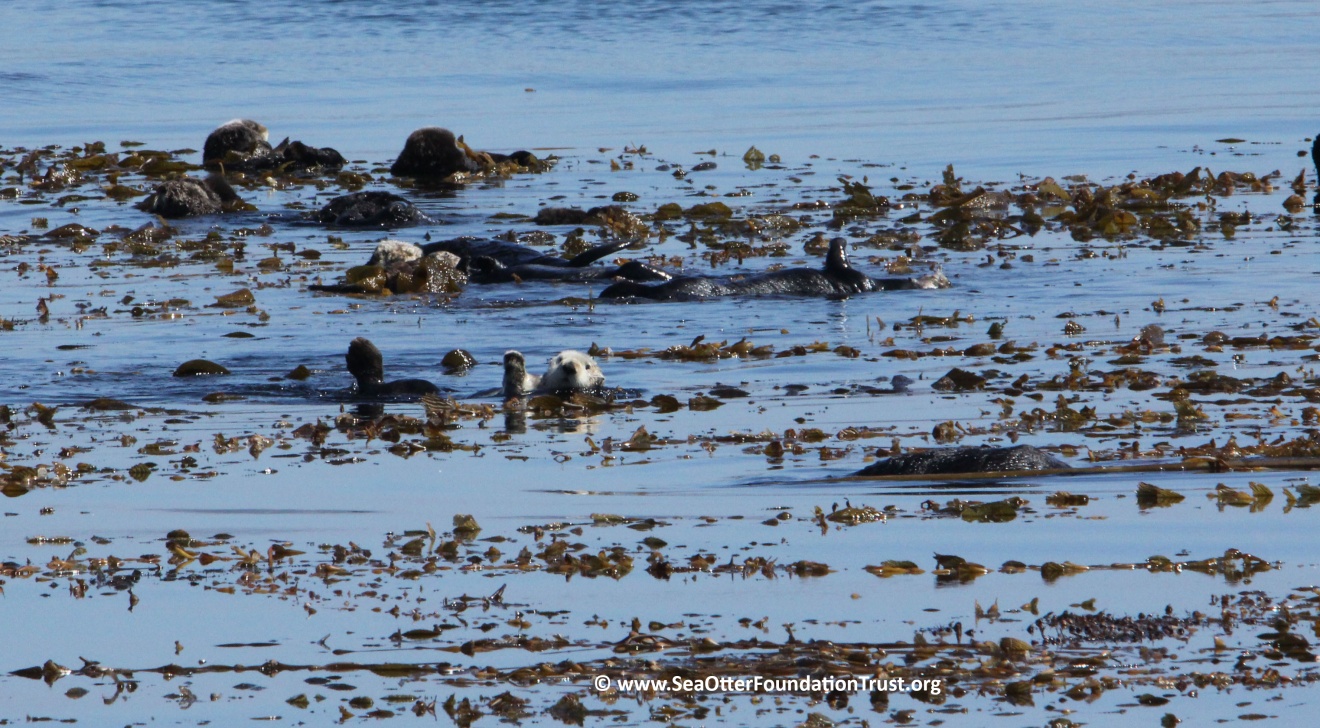
- Sea otters use kelp as a refuge and foraging grounds. As keystone predators, they maintain ecosystem balance by controlling sea urchin populations that would otherwise devour the kelp.
This incredible marine biodiversity makes kelp forests among the ocean's most vibrant communities.
Critical Ecosystem Services
The benefits of kelp forests extend far beyond the organisms living within them. Dense growth offers young fish shelter from predators, allowing them to grow before moving into open water. As nutrients circulate through kelp and flow outward, these forests enrich nearby habitats and boost the productivity of entire coastal regions.
Kelp forests also act as powerful carbon sinks, absorbing significant amounts of carbon dioxide through photosynthesis and helping mitigate the impact of climate change on marine environments. Some of this carbon settles into deep ocean sediments, keeping it out of the atmosphere for centuries.
In addition to regulating the climate, kelp forests provide direct protection for coastal communities. The dense vegetation slows and absorbs wave energy, reducing erosion and protecting shorelines during storms. This becomes increasingly valuable as sea levels rise and coastal areas face greater threats.
Threats and Decline
Despite their resilience, kelp forests face mounting pressures from multiple directions. Understanding these threats is essential for protection efforts:
Ocean warming stresses kelp populations, pushing them beyond their temperature tolerance and creating conditions favorable to competitors and diseases.
Sea urchin barrens form when urchin populations devour kelp faster than it can regrow, leaving barren rocky seafloors.
Pollution (including nutrient runoff, microplastics, and sediment) degrades water quality and blocks sunlight.
Coastal development destroys rocky substrate needed for kelp attachment and increases runoff into nearshore waters.
California has lost more than 90 percent of its kelp forests in some regions over recent decades. Tasmania experienced similar catastrophic losses. These declines ripple through entire marine ecosystem networks, affecting everything from sea otter diets to commercial fisheries.
Conservation and Hope for the Future
Despite these challenges, dedicated conservation efforts offer genuine hope for kelp forest recovery. Marine protected areas give forests space to regenerate, while sea otter reintroduction and protection programs help restore the natural predator-prey balance that keeps sea urchin populations in check. When sea otters return to historically occupied areas, kelp forests often follow, demonstrating the powerful connection between keystone species and ecosystem health.
Underwater habitat restoration projects show that with protection and active management, these forests can bounce back remarkably quickly. By supporting sea otter conservation and marine protection policies, we all can play a role in preserving these magnificent kelp forest ecosystems for future generations.
At the Sea Otter Foundation & Trust, we work to ensure the survival and recovery of sea otters in their habitats by building funds to support research, conservation, and education. You can learn more about the all-important efforts of our grant recipients by watching our interviews with them. These efforts are funded directly by our supporters, so consider advancing our crucial work by adopting an otter or making a donation today!