Sea Otter Awareness Week: An Interview with Jim Curland
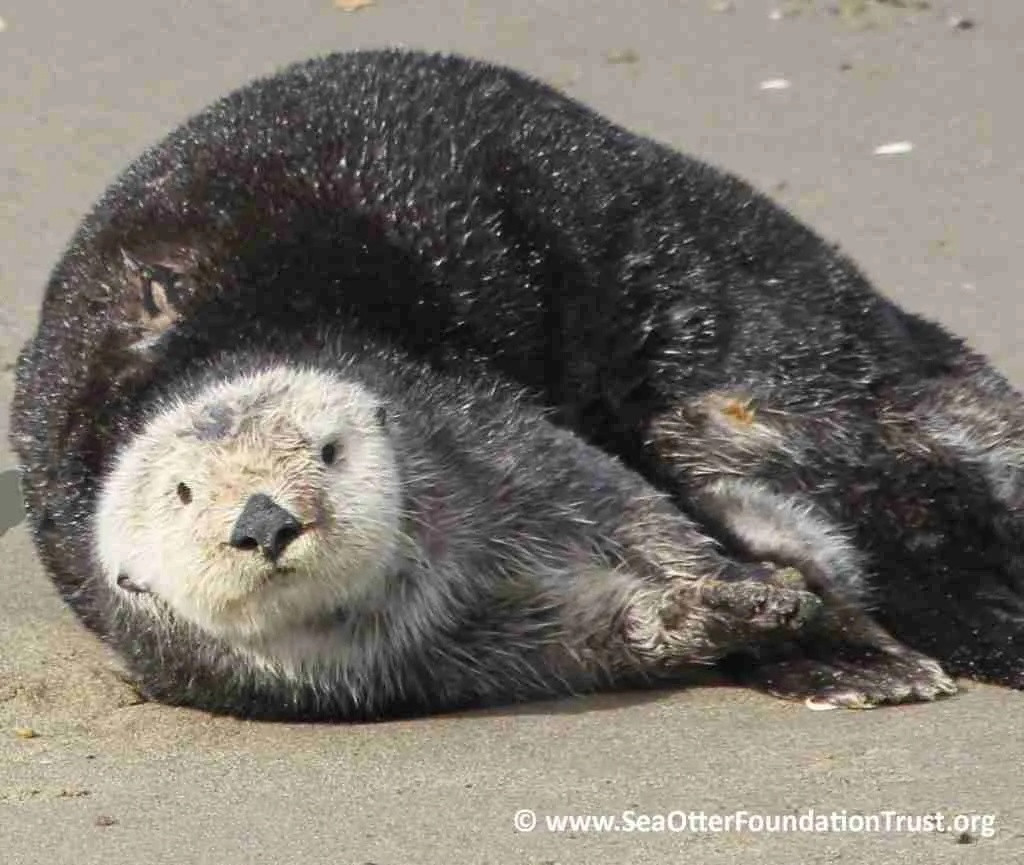
The sea otter has long captivated humanity’s interest and appreciation. We have wanted to understand them and their behavior – from their endearing faces to their use of rocks as tools to assist in their cracking open invertebrate food sources to their influence on maintaining the health of the ocean kelp forest. Biologists have studied sea otters for over one hundred years while the general public’s interest has grown, especially in the last three decades.
To accommodate the increased interest in the charismatic sea otter, Jim Curland, then Marine Program Associate for Defenders of Wildlife, began to ponder new ways of educating the general public about sea otters, the impacts of sea otter-human disturbance and the important role that sea otters play in ocean health. Curland recalls that his supervisor suggested he make this effort a project to work on that year. From there, Sea Otter Awareness Week was officially born and the first week was celebrated in September 2003.
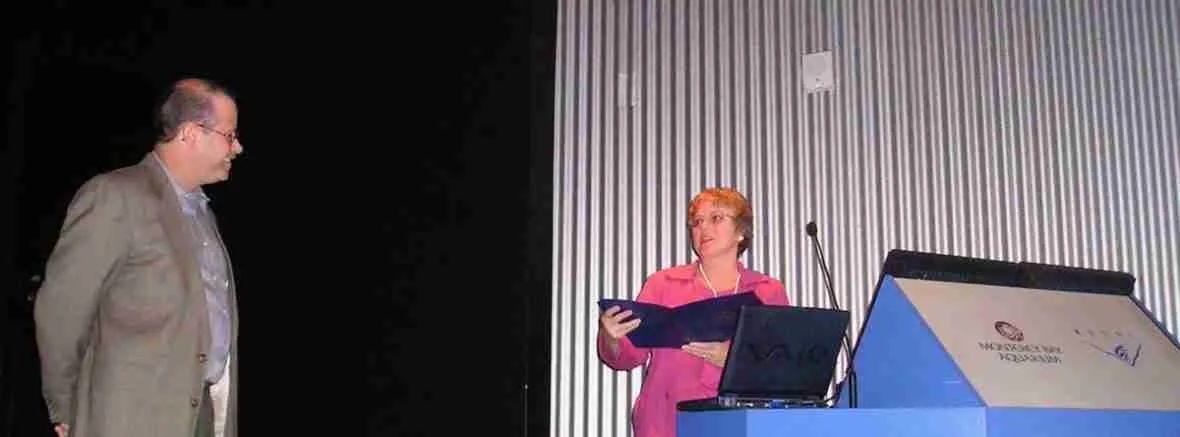
In 1997, Jim Curland received a Master’s degree from Moss Landing Marine Laboratories through San Jose State University. His focus was on Marine Science and his Master’s thesis was on the southern sea otter and the impacts of human disturbance. Before his work at Defenders of Wildlife, Curland worked for Friends of the Sea Otter (1998 – 2001) as their Science Director; he would return to Friends of the Sea Otter in 2013 and remain there until 2015.
Jim states “I loved the field of wildlife conservation due to my love for animals and trying to become a voice and advocate for animals because they can’t advocate for themselves. I had great people to look up to in [the wildlife conservation] field: Jane Goodall, Margaret Owings, Diane Fossey, Sir David Attenborough, and many others that pioneered conservation and attention to animals. Sea otters are certainly a great species to focus on not only for their beauty, but their important role in their ecosystem.”

These conservation and advocacy ideals fueled the establishment of Sea Otter Awareness Week and with the help of Defenders of Wildlife co-workers, Curland began the journey to launch the concept, knowing it would be an intensive effort. He recalls beginning very early in 2003 so that by September the right pieces would be in place. “The approach was to [seek] involvement from zoos, aquariums, educational institutions, conservation groups, researchers, and of course, the [general] public,” Jim mentions and recalls that the third week* of September was selected to mirror when students were returning to school.
The purpose of Sea Otter Awareness Week was and has been to broaden the general knowledge regarding the sea otter and to develop an awareness of how the public can participate in its conservation. Having an endearing and charismatic animal like the sea otter to drive interest certainly helps. For more than 20 years, the week has focused on public events such as biological talks, spotting sea otters in the wild and following scientists along sea otter habitat. In more recent years, social media and the growth of virtual meetings has allowed the week to garner even more interest and support.
Jim Curland, who now works for Apple, is very proud of his legacy of founding Sea Otter Awareness Week and watching it grow over the years to an “almost self-sustaining event.” Many of the people, organizations and government agencies that participated in the first awareness week events in 2003 are still participating today. According to Curland, “many of the entities we [originally] contacted…created their own awareness events each year. I’m proud that in 20 plus years, from something I started, [the week] still seems to be going strong. My hope is that the goal of creating awareness [for the sea otter] has been realized. And, that [the efforts have] helped in some way towards the conservation of sea otters and the understanding by the public [regarding] the plight of the sea otter.”
As one of the organizations participating in Sea Otter Awareness Week, the Sea Otter Foundation & Trust (SOFT) focuses on hosting educational events within its home state of Colorado. Being distant from sea otter habitat provides a wealth of opportunities to educate the public about the influence sea otters have on ocean health. SOFT believes everyone can participate in sea otter conservation, no matter how far they reside from sea otter habitat. Through interviews and articles highlighting the efforts of its grant award recipients, the Sea Otter Foundation & Trust informs the public about the latest advancements in sea otter research, conservation and education.
*Note that Sea Otter Awareness Week now takes place during the last full week of September each year.