Sea Otters vs Seals vs Sea Lions: Who’s Who in Marine Mammals?
Sea Otters vs Seals vs Sea Lions: Who’s Who in Marine Mammals?
The ocean is home to some of the most fascinating creatures on Earth, and among the most commonly confused are sea otters, seals, and sea lions. While these three marine mammals may share coastal habitats and similar behaviors, they belong to different families and have distinct appearances, lifestyles, and roles in the ecosystem. From the tool-using, furry sea otter to the earless, deep-diving seal and the vocal, social sea lion, each species has evolved in distinct ways to thrive in its marine environment.
Whether you’re planning a wildlife-watching trip, brushing up on marine biology, or simply curious about the animals you’ve seen at the aquarium, this guide will help you tell them apart and understand their unique traits. Let’s dive deeper into how to tell these charismatic creatures apart.
Sea Otters: The Furry Forest Guardians

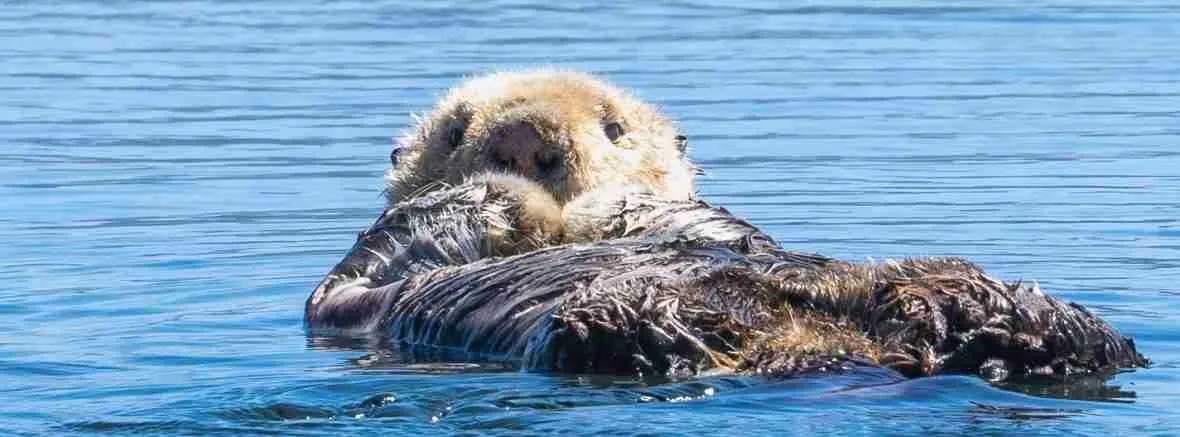
Sea otters (Enhydra lutris) are adorable, furry animals known for a variety of unique characteristics. Their key traits include:
- Fur: Sea otters have the densest fur of any mammal, with up to a million hairs per square inch! Unlike seals and sea lions, sea otters lack blubber and rely on their thick fur for insulation.
- Tool Use: Sea otters are one of the few non-primate species that use tools. They often carry rocks to crack open shellfish on their bellies while floating on their backs
- Diet: Their favorite foods include sea urchins, clams, crabs, and mussels. By eating sea urchins, they help maintain healthy kelp forests and prevent urchin barrens.
- Mobility: Sea otters are more comfortable in water than on land. They rarely venture ashore, spending most of their lives floating, diving, and grooming in the water.
- Conservation Status: Sea otters were nearly hunted to extinction for their fur, but are now rebounding in many areas thanks to conservation efforts.
Regions: You can find them along the Pacific coasts of North America, particularly in Alaska, British Columbia, and California.
Seals: The Quiet Divers

When people say “seal,” they’re usually referring to true seals, also known as earless seals. Common species also include the harbor seal and elephant seal. Their key traits include:
- Ears: Seals lack external ear flaps, which is one of the easiest ways to distinguish them from sea lions.
- Movement: Seals are awkward on land, wriggling on their bellies by using their body muscles. In the water, though, they are graceful and efficient, using their hind flippers for propulsion.
- Sound: Seals tend to be quieter and more solitary than sea lions.
- Blubber: Seals rely on a thick layer of blubber to keep warm in cold waters.
- Diet: Most seals eat fish, squid, and crustaceans. They are excellent divers and can stay submerged for up to 30 minutes or more, depending on the species.
- Conservation Status: True, harbor, and elephant seals have large, stable populations. However, some species (such as the Hawaiian monk seals) are classified as vulnerable or endangered.
- Regions: Seals are found in coastal waters worldwide, from the icy Arctic to temperate regions like New England, California, and parts of Europe.
Sea Lions: The Social Performers

Sea lions belong to the family Otariidae (eared seals), which also includes fur seals. They are known for their loud barks, intelligence, and acrobatic displays in marine parks. Their key traits include:
- Ears: Sea lions have visible external ear flaps, distinguishing them from true seals.
- Mobility: On land, sea lions move with surprising agility by using their front flippers to pull themselves forward and rotating their hind flippers underneath their bodies to walk or gallop.
- Social Behavior: Sea lions are very social and often gather in noisy colonies. They are highly vocal and known for their distinctive barking.
- Diet: Like seals, sea lions eat fish, squid, and octopus. They can dive to impressive depths but are generally more surface-oriented than seals.
- Conservation Status: California sea lions are a conservation success story, with populations rebounding after protections under the Marine Mammal Protection Act.
- Regions: California sea lions are common along the US West Coast, while other species live in South America, Australia, and Japan.
Their Places in the Ecosystem
Sea otters, seals, and sea lions each play vital roles in maintaining marine ecosystem balance. Sea otters are considered a keystone species because they control sea urchin populations, preventing the overgrazing of kelp forests, which support biodiversity and help absorb carbon from the atmosphere. Seals act as mid-level predators, feeding on fish, squid, and crustaceans while also serving as prey for orcas and sharks. Their role helps regulate prey populations and maintain food web stability. Sea lions also help control fish populations, such as sardines and anchovies. Their large colonies contribute nutrients to coastal areas and influence the behavior of both predators and prey in the food chain.
Together, these marine mammals shape the ecosystems they inhabit, promoting biodiversity and signaling the overall health of the ocean. Their decline often reflects larger environmental problems, making their protection essential for the resilience of marine life.
Who’s Who in the Waves?
Next time you spot a sleek, whiskered swimmer or a sunbather on the rocks, take a closer look. Is it a sea otter, a seal, or a sea lion? Learning how to tell the difference is a step toward understanding the rich biodiversity of our oceans and the importance of protecting these animals and their habitats.
Whether it’s the tool-wielding sea otter, the deep-diving seal, or the chatty sea lion, each animal offers a unique window into the wild world of the ocean. As we work to preserve marine ecosystems, every piece of knowledge helps us make better choices for the planet.
At the Sea Otter Foundation & Trust, we work to ensure the survival and recovery of sea otters in their habitats by building funds to support research, conservation, and education. You can learn more about the all-important efforts of our grant recipients by watching our interviews with them. These efforts are funded directly by our supporters, so consider advancing our crucial work by adopting an otter or making a donation today!
