The Future of Sea Otters: What 2050 Could Look Like for These Ocean Guardians
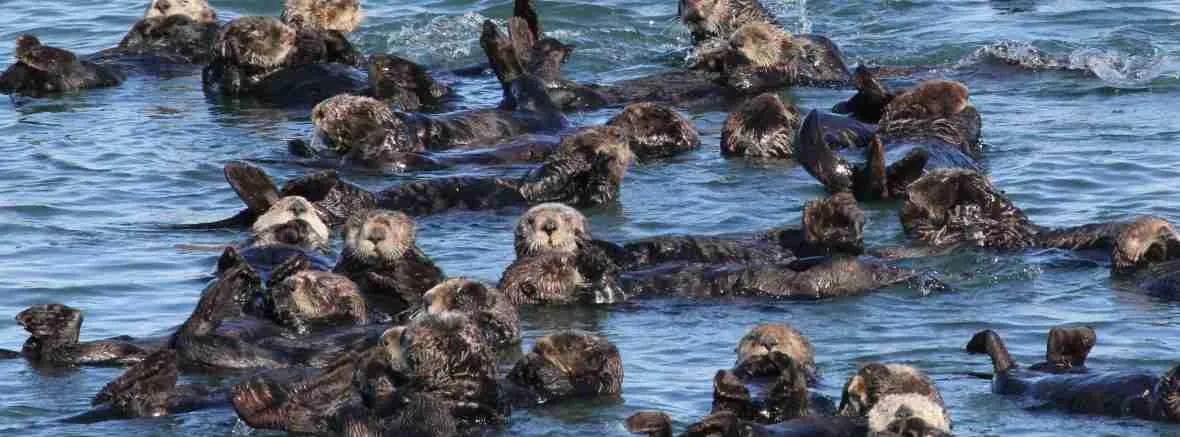
Scientists around the world are closely monitoring the future of sea otters (Enhydra lutris) to see how their populations might evolve by 2050. Sea otters have long captivated the public with their playful behavior and iconic fuzzy faces, but they serve a critical purpose beneath the waves. As a keystone species, they maintain the balance of marine ecosystems by controlling prey populations, promoting kelp forest growth, and supporting biodiversity. Still, these ocean guardians face significant hurdles, including the ongoing threat of climate change, pollution, and habitat loss. Researchers, conservationists, and organizations like the Sea Otter Foundation & Trust (SOFT) are working diligently to secure a brighter future for these marine mammals.
Why Sea Otters Matter for Ocean Health
The sea otter’s role in ecosystem health is profound. Because otters feed on species such as sea urchins, they prevent overgrazing of kelp forests — which leads to urchin barrens — creating a thriving environment for fish, shellfish, and countless other marine organisms. This delicate balance, sometimes called the sea otter food web, underscores the sea otters’ ecological role as guardians of aquatic habitats. Sea otters are so important to these habitats because, if they disappeared, kelp forests could decline drastically, triggering a ripple effect throughout the food chain.
Current Challenges Facing Sea Otters
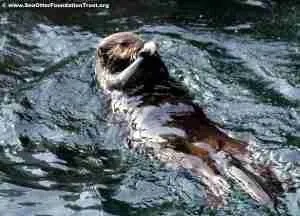
Although these marine mammals are vital to coastal ecosystems, multiple factors threaten their survival. Pollution in sea otters’ habitat, such as oil spills, can have catastrophic effects on their fur, which is essential for insulation. Additionally, ocean acidification and warmer water temperatures, partly driven by climate change, affect the availability of otters’ preferred food sources.
Hurdles in 2050
By 2050, marine researchers expect sea otters to face many of the same challenges, with many of them growing worse. Additionally, new risks could emerge as our planet continues to change:
- Rising Sea Temperatures: Climate change may shift the distribution of key prey species such as sea urchins, clams, and crabs, forcing sea otters to adapt, migrate, or face nutritional stress.
- Pollution and Plastics: Increased plastic pollution continues to disrupt marine ecosystems. Microplastics can work their way up the food chain, affecting otters directly through ingestion or indirectly by damaging their prey populations. Contaminants such as heavy metals and persistent organic pollutants can accumulate in sea otters, compromising their immune and reproductive systems.
- Disease Outbreaks: Coastal runoff and warming waters promote harmful algal blooms and pathogen growth. These environmental changes have been linked to fatal diseases in sea otters, such as toxoplasmosis (often traced to domestic cat feces entering marine environments) and acanthocephalan parasite infections contracted through crab consumption.
- Human Interference: Human coastal development, oil spills, and vessel traffic continue to degrade key kelp forest and estuarine habitats. These ecosystems are crucial for sea otter survival, and their decline reduces both shelter and food sources.
Addressing these hurdles means investing in better coastal management and comprehensive research to prevent further population decline. SOFT helps by granting funds to organizations that track infection rates and explore innovative solutions, including improved water quality measures.
How Many Sea Otters Are Left?
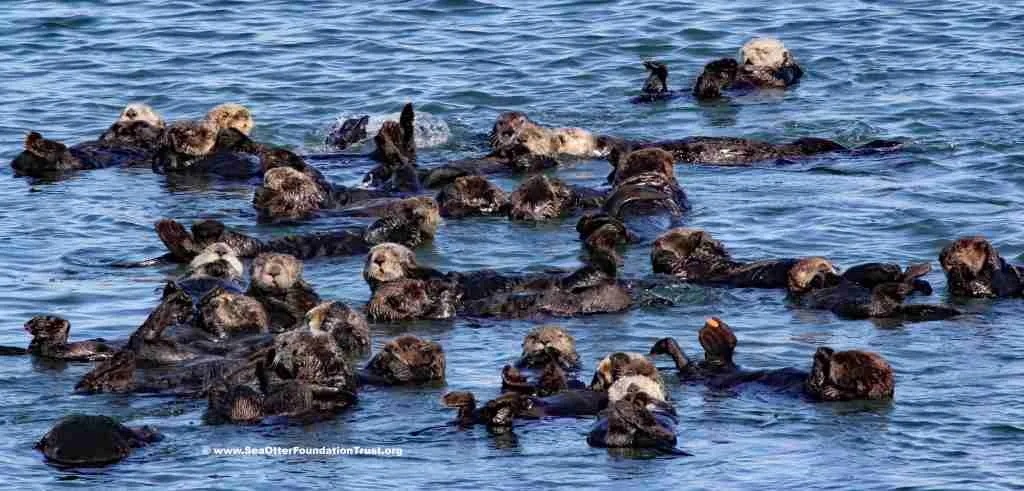
Historically, sea otter numbers in the North Pacific ranged as high as 300,000 before the fur trade decimated the species in the 18th and 19th centuries. Today, estimates hover around 150,000 worldwide, although populations fluctuate depending on location. In California, for instance, the southern sea otter population is just under 3,000, according to the U.S. Geological Survey. Ongoing threats such as pollution, habitat loss, and predation continue to contribute to the decline of sea otter populations in various regions.
Sea Otter Habitat and Conservation Efforts
Conservationists focus on protecting sea otters’ habitat — from dense kelp forests in the Pacific Ocean to sheltered bays along North American coastlines — so that these animals can thrive in the coming decades. Through collaborative projects, such as habitat restoration and pollution control, conservation groups aim to bolster the resiliency of kelp forests and aquatic ecosystems.
SOFT plays a significant role in funding community-driven programs and research initiatives. By providing grants to organizations, SOFT ensures scientists and conservationists can expand innovative technologies in sea otter research to monitor sea otter populations more accurately. Some new technologies include drone-based aerial surveys and advanced tagging methods to track individual otter movements.
The Critical Role of Research and Rehabilitation
Effective rehabilitation programs also help sea otters bounce back from injuries and illnesses. These programs focus on stabilizing rescued otters and preparing them for release into the wild. These programs highlight the role of sea otters in ecosystem recovery because every saved otter can make a measurable impact on kelp forest health.
Organizations like aquariums and zoos play a supportive role by offering controlled environments where rescued otters can heal while researchers study otter behavior and biology. These facilities also educate the public about the profound impact otters have on coastal waters, inspiring potential donors to take action.
Sea Otters and Their Future By 2050
Looking ahead to 2050, marine biologists anticipate that sea otters will adapt to some changes, but conservation actions must accelerate. Because sea otters remain one of the most efficient predators in the food chain, maintaining stable or growing populations could help coastal areas adapt to climate change. Research on sea otter adaptations to colder waters, high metabolism, and specialized diets may unlock new insights into resilience.
Key Strategies for Protecting Sea Otters by 2050
- Habitat Restoration: Restoring and maintaining healthy kelp forests and seagrass meadows.
- Pollution Reduction: Strengthening regulations on coastal runoff and plastic waste.
- Research Funding: Providing grants for studies that uncover otters’ genetic diversity, migration patterns, and health status.
- Public Awareness: Encouraging individuals to support conservation efforts and learn why donating to sea otter conservation matters.
How You Can Help
The future of sea otters depends on collaboration among scientists, policymakers, non-governmental organizations, and individuals who care about healthy oceans. Simple steps like reducing single-use plastic, supporting sustainable fisheries, and staying informed can make a real difference.
The diet of a sea otter plays a crucial role in both its health and the balance of marine ecosystems. They have specific nutritional needs that highlight the importance of preserving diverse, unpolluted ocean habitats. Understanding the sea otter life cycle — from pup to adult — also sheds light on the various challenges they face and the protective measures needed throughout each stage of development.
A Hopeful Vision for Sea Otters
Despite the obstacles, researchers remain optimistic about the prospects for sea otters. By combining habitat restoration, scientific innovation, and strong public support, experts believe otter populations can recover or even expand. Through committed efforts from international coalitions, local communities, and groups like the SOFT, we can safeguard the sea otter as a keystone species for generations to come.
There is much work ahead, but the role of sea otters in ecosystem balance is undeniable. By championing sea otter conservation, we also protect the complex life teeming in our oceans. If we continue building momentum through research, policy changes, and community engagement, the future of sea otters by 2050 can be a promising one. We can ensure that these beloved marine mammals remain active stewards of underwater habitats across the globe.
At SOFT, we work to ensure the survival and recovery of sea otters in their habitats by building funds to support research, conservation, and education. You can learn more about the all-important efforts of our grant recipients by watching our interviews with them. These efforts are funded directly by our supporters, so consider advancing our crucial work by adopting an otter or making a donation today!