Sea Otter Awareness Week: 5 Ways You Can Make a Difference
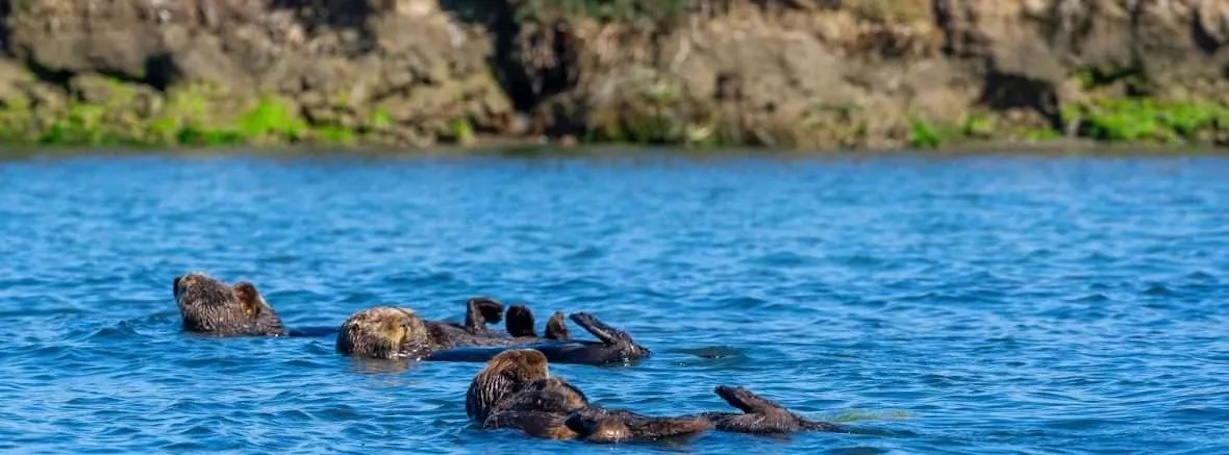
Each September, Sea Otter Awareness Week shines a spotlight on one of the ocean’s most charismatic and essential species. With their playful nature and endearing faces, sea otters are easy to love, but their importance goes far beyond appearances. As a keystone species, they play a critical role in maintaining healthy kelp forests and marine biodiversity. Unfortunately, sea otters still face serious threats from pollution, habitat loss, and climate change. If you care about protecting wildlife and preserving our oceans for future generations, this is the perfect time to take action. Here are five simple but powerful ways you can make a difference this Sea Otter Awareness Week.
1. Support Marine Conservation Organizations
One of the most effective ways to protect sea otters and their habitats is to support wildlife charities actively engaged in marine conservation. Organizations like the Sea Otter Foundation and Trust (SOFT) rely on public support to fund research, habitat restoration, and conservation efforts. Your contribution directly supports initiatives addressing critical threats such as sea otter population decline and habitat degradation. Here’s how you can help:
- Make a financial donation to trusted sea otter conservation groups.
- Consider adopting a sea otter through symbolic adoption programs.
- Volunteer your time or skills to support local events or fundraising campaigns.
Donating to sea otter conservation helps fund rescue efforts, habitat protection, and scientific research that are vital to the species’ survival. Because sea otters play a key role in maintaining healthy kelp forests, your support also helps protect entire marine ecosystems and the countless species that depend on them.
2. Reduce Ocean Pollution at Home

Pollution poses significant risks to marine life, including sea otters. Microplastics, in particular, contaminate the ocean, enter food chains, and threaten otter health and survival. You can make a tangible difference by taking steps to reduce plastic waste in your daily routine. Here are some easy ways to reduce plastic waste:
- Use reusable bags, bottles, and containers.
- Avoid single-use plastics such as straws and utensils.
- Recycle properly and encourage others to do the same.
Plastics discarded far inland often travel through storm drains, creeks, and rivers, eventually making their way to the ocean, where they can harm marine life. Because plastics can take hundreds of years to degrade, they accumulate and break down into microplastics that persist in the environment, contaminating habitats and food sources. Even if you live miles from the coast, reducing your plastic use helps prevent pollution from reaching and damaging fragile ocean ecosystems.
3. Choose Sustainable Seafood
Overfishing and unsustainable fishing practices not only deplete key fish populations but also damage critical habitats such as kelp forests and seafloor ecosystems that sea otters rely on for food and shelter. By reducing prey availability and altering the balance of marine life, these practices threaten the overall health of the ocean. Choosing sustainable seafood helps maintain healthy fish populations and preserves ocean habitats essential for thriving sea otter populations. These tips can help you choose sustainable seafood:
- Look for certification labels such as MSC (Marine Stewardship Council).
- Download sustainable seafood apps to guide your purchasing decisions.
- Patronize restaurants and grocery stores committed to sustainability.
Sustainable seafood practices not only benefit sea otters but also the overall health of marine ecosystems.
4. Participate in Beach or River Clean-ups
Joining a beach cleanup or ocean cleanup effort provides immediate help to marine environments. Removing litter and debris prevents harmful materials from reaching sea otters and other marine animals, reducing the risks of ingestion, entanglement, and injury. Here’s how to get involved:
- Join local clean-up events during Sea Otter Awareness Week.
- Organize your own cleanup with friends, family, or community groups.
- Document and share your cleanup experiences on social media to inspire others.
By participating actively, you help protect sea otters and their habitats from harmful pollutants. Every action you take creates a ripple effect that supports healthier oceans and a brighter future for wildlife and people alike.
If you see a sea otter or other wildlife at the beach during a cleanup, keep a respectful distance to avoid disturbing them. Never try to feed or touch wild animals. Instead, report any injured or distressed animals to local wildlife authorities; they may have a rehabilitation and release program for injured or ill otters.
5. Spread the Word

Awareness is critical in conservation efforts. Sharing knowledge and enthusiasm about sea otters and marine conservation encourages others to join in the cause. Social media, community gatherings, and educational events are excellent platforms to share fun facts about sea otters and information about their critical role in marine ecosystems. Here are some ideas for spreading awareness:
- Host or attend educational events or presentations at local schools or libraries.
- Create and distribute engaging content on social media, highlighting sea otter conservation.
- Encourage your network to participate in conservation activities during Sea Otter Awareness Week.
Spreading the word about sea otters raises awareness and builds collective support to protect these remarkable animals. Increased public knowledge can influence policymakers to prioritize conservation efforts and funding. It also inspires individuals to make environmentally conscious choices that benefit sea otters and the broader marine ecosystem.
Small Actions, Big Waves
Sea Otter Awareness Week highlights the importance of collective action for marine conservation. By supporting marine charities, reducing plastic pollution, choosing sustainable seafood, participating in cleanups, and spreading awareness, you make a significant contribution to protecting these vital creatures and their ocean homes.
Remember, every small action creates waves of positive change. Together, our efforts will ensure a healthy, vibrant ocean ecosystem for sea otters and future generations.
At the Sea Otter Foundation & Trust, we work to ensure the survival and recovery of sea otters in their habitats by building funds to support research, conservation, and education. You can learn more about the all-important efforts of our grant recipients by watching our interviews with them. These efforts are funded directly by our supporters, so consider advancing our crucial work by adopting an otter or making a donation today!