Sea Otter Life Cycle: From Pup to Adult
Sea otters (Enhydra lutris) are fascinating marine mammals with a lifespan of 10 to 15 years in the wild. Understanding the sea otter life cycle provides insight into the critical stages of their development, their behaviors, and their survival strategies. From birth as pups to maturity as adults, sea otters exhibit unique characteristics that allow them to thrive in the harsh conditions of their ocean habitats. In this article, we’ll explore the life cycle of a sea otter from pup to adult, including important details at each stage.
Stage 1: Birth and Early Life
Sea otters give birth to pups in the water. A mother typically has one pup at a time, though twins are possible. At birth, a pup weighs between 3 to 5 pounds and is covered in dense fur, or lanugo, that traps air, keeping them buoyant and warm. This dense fur, which is the thickest of any animal, plays a crucial role in their survival in the cold waters of the Pacific Ocean.
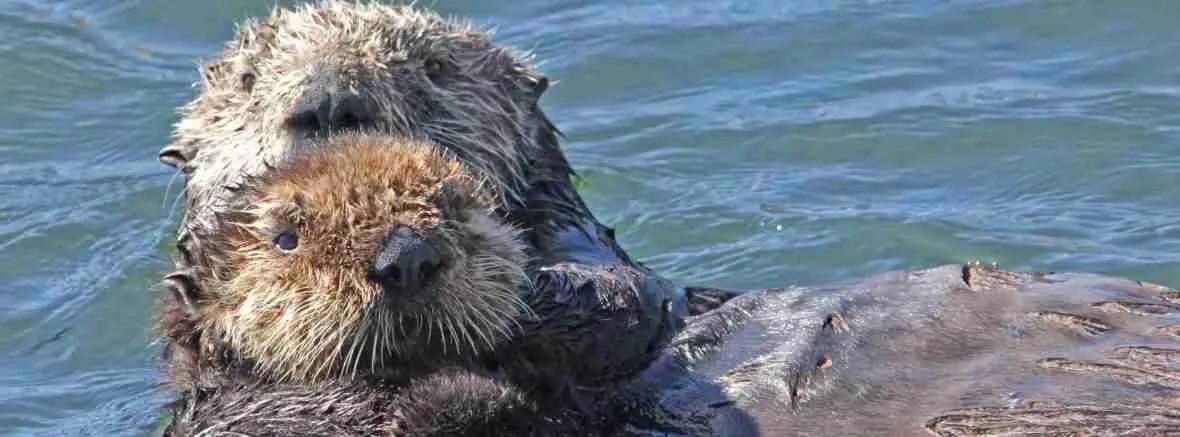
In the early weeks of life, the mother sea otter tends to her pup constantly. She grooms the pup’s fur meticulously to maintain its insulation and buoyancy. Pups cannot dive immediately, as their fur is too buoyant, so they rely on their mothers for food and protection. Mothers carry their pups on their chests while they float, ensuring the pups are safe from predators and rough waters.
For the first few months, the mother feeds the pup with milk, gradually introducing solid foods such as sea urchins, clams, and crabs as the pup grows. This initial period is crucial for learning survival skills, such as how to forage and use tools such as rocks to break open shells.
Stage 2: Juvenile Stage
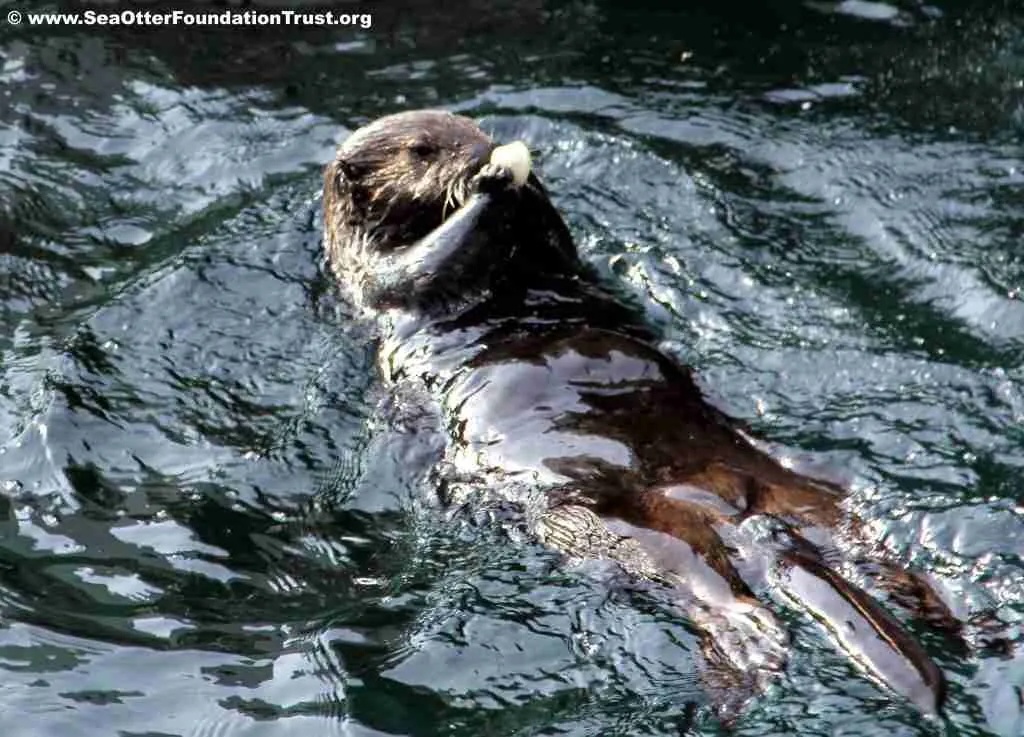
As pups grow into juveniles, their buoyant fur begins to lose some of its thickness, allowing them to dive and explore their underwater environment. At this stage, sea otters begin venturing further from their mothers but still remain close for guidance and protection.
Stage 3: Adulthood
By the time a sea otter reaches adulthood, it can survive independently. Adult male sea otters are typically solitary and do not assist with pup rearing, but can still form groups with other otters — known as rafts — particularly when resting. Female sea otters form raft bonds more frequently and often assist with rearing the pups of other female otters while in the raft. These rafts can consist of up to 100 sea otters, often floating together while anchored to kelp to prevent drifting.
Sea otter life expectancy varies, with females generally living longer than males. In the wild, sea otters live an average of 10 to 15 years, though some have been known to live into their early 20s in captivity. Sea otters’ lifespans are influenced by factors such as predation, food availability, and environmental changes.
Adult sea otters are voracious eaters, needing to consume between 25% and 30% of their body weight in food each day. Their diet consists mainly of invertebrates, such as sea urchins, mollusks, and crustaceans, which they expertly hunt using their highly developed foraging skills. This diet plays a significant role in maintaining the health of marine ecosystems, particularly kelp forests, by preventing urchin barrens. By controlling sea urchin populations, sea otters help preserve the kelp, which provides habitat and food for numerous marine species.
Threats to the Sea Otter Life Cycle
The life cycle of sea otters is fraught with challenges. One of the greatest threats is habitat loss due to environmental changes, including pollution and climate change. As apex predators in their ecosystems, sea otters are highly sensitive to disruptions in their food supply. For example, climate change has contributed to declining kelp forests, directly affecting sea otter populations.
Human activities also pose a significant threat. Oil spills, fishing gear entanglements, and illegal hunting have historically decimated sea otter populations. Today, conservation efforts are in place to protect these animals, but their populations remain vulnerable.
The life cycle of a sea otter is a remarkable journey, from the early dependence of pups on their mothers to the independence of adulthood. Each stage of the sea otter life cycle is vital for their survival and the health of their ecosystem. As sea otters navigate the challenges posed by both natural predators and human interference, it is critical to continue conservation efforts to protect these marine mammals.
To learn more about the unique characteristics and history of sea otters, visit the Sea Otter Foundation Trust (SOFT) and explore the history of sea otters.
At SOFT, we work to ensure the survival and recovery of sea otters in their habitats by building funds to support research, conservation, and education. You can learn more about the all-important efforts of our grant recipients by watching our interviews with them. These efforts are funded directly by our supporters, so consider advancing our crucial work by adopting an otter or making a donation today!